








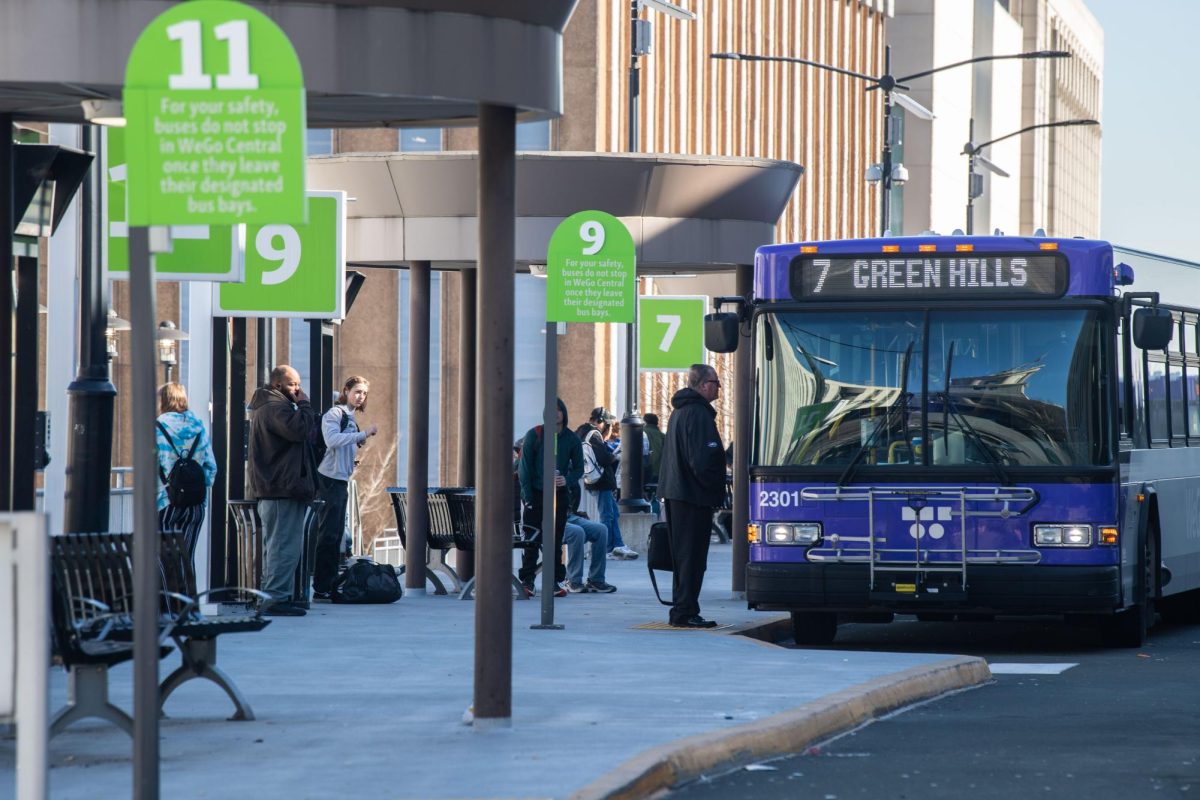






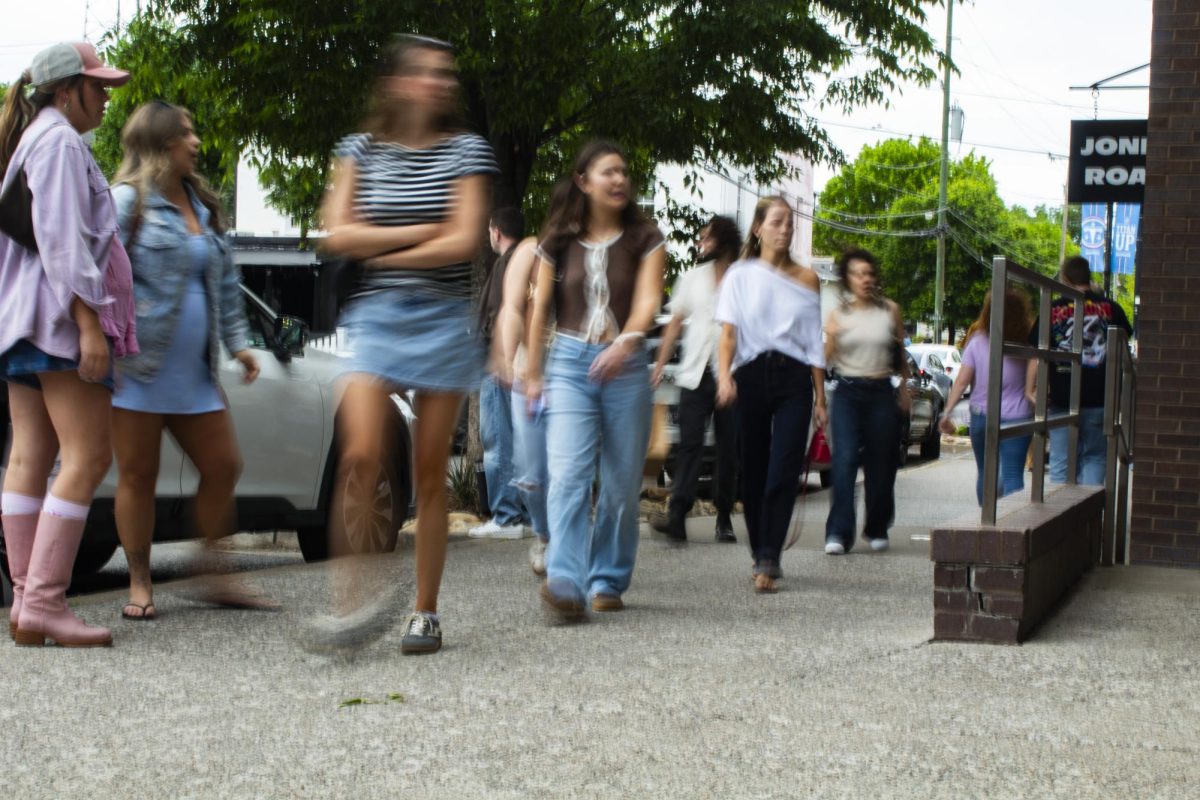





Every day, many citizens in the greater Nashville area travel by car, bike or by simply walking. At the same time, thousands of them rely on WeGo, Nashville’s public transit system. Of these citizens utilizing WeGo, hundreds are students at Nashville schools.
According to research done by Imagine Nashville in 2024, Nashville’s youth rank simple, close and safe transportation as the fourth most important aspect of living in Nashville. In the same study, students were asked how safe they felt on a scale of one to 10 at school, traveling about Nashville and in their neighborhoods. Although these responses varied by racial and age demographics, the majority of youth under the age of 18 feel safer at school than they do moving around the city. The average response from teens surveyed to the question, “how safe do you feel moving around the city” was a 6.27. The group also had an average response of 7.82 to the question “how safe do you feel at school” and an average response of 7.95 to the question “how safe do you feel in your neighborhood”.
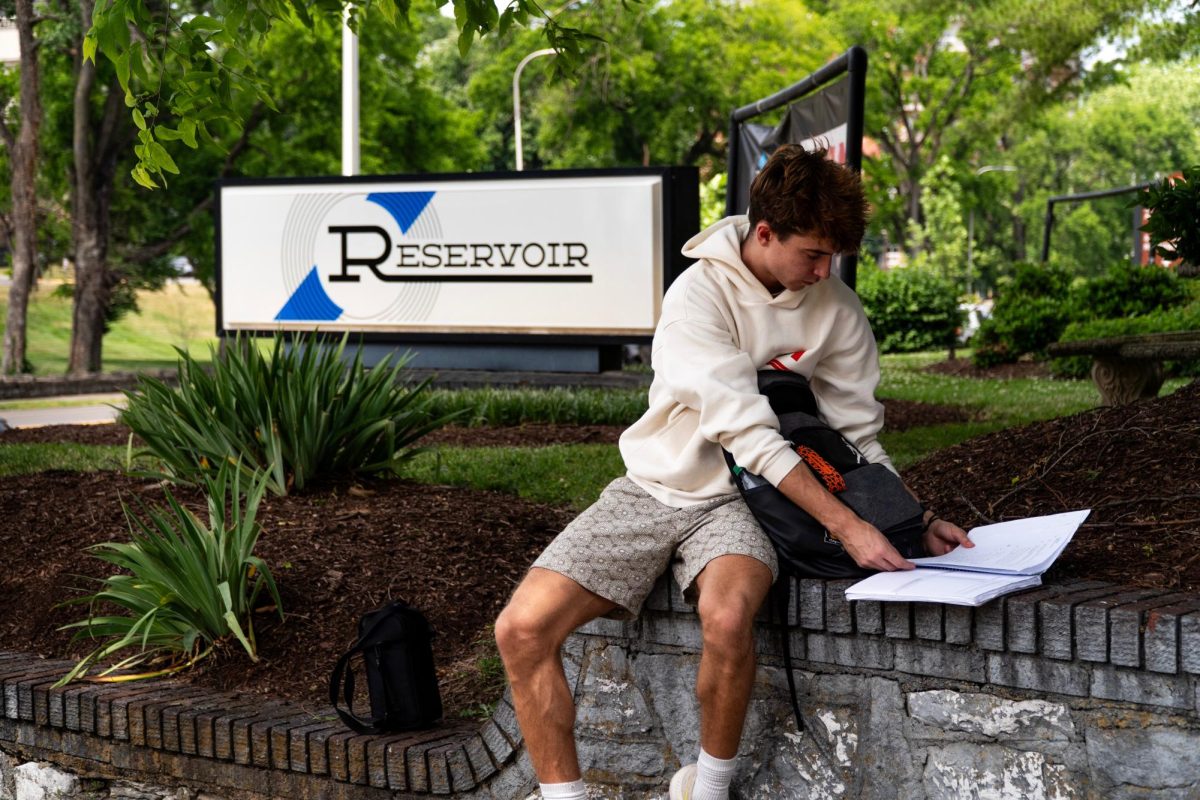
Nashville is one of the most rapidly growing cities in America, and as a teen, it is nearly impossible to live a normal life without moving around the city. Especially at public schools, kids and teenagers alike rely on public or school provided transportation to get from place to place. In order to get a better sense of how students in MNPS view Nashville’s public transit system, I asked three students at Hume Fogg Academic High three questions: Why did you ride the bus, did you enjoy your experiences, and what is one factor you would change to make the WeGo better?
The responses from each student varied, but they all had constructive ideas for the future of the WeGo. Each of the students I talked to take the bus because it is their only method of transportation, and two of these students even shared stories from their time on the metro bus.
Anna Metcalf, a freshman at Hume Fogg, shared a story from her first time on the city bus. Anna took the metro bus to school from 5th to 8th grade because, like the others I interviewed, her parents could not take her. Her ride to school every day was only five minutes long, yet on her first day taking the bus someone had a seizure. Anna and the others on the bus had to get off and switch to a different bus, an experience which she vividly remembers to this day.
Another student I interviewed, Polly Kalonick, a sophomore at Hume Fogg, has taken the bus multiple times since last year. Although she shared a scary experience, she also remembers a woman she had never met helped her by calling the police. While Polly’s story is stunning, it is equally inspiring that a stranger helped her, an aspect which underlines the wide range of experiences possible on public transportation. While both Anna and Polly were able to see these stories in a less serious light, for me it illuminated how scary public transportation is for young students, especially when it is the only option.
Jack Masterson, a Freshman at Stratford High, took the bus home from school when he was a 5th grader at Head Middle School. His experiences on the public bus led him to a verdict similar to Anna and Polly; while it was fun to be with his friends, being a kid on the bus could be scary. One of Jack’s specific suggestions to improve this situation which a lot of young students face, was to make a bus specifically for kids. Though this implementation would require financial resources, it offers a solution that would provide the safety of a typical school bus without the limitations of holiday breaks or door-to-door routes.
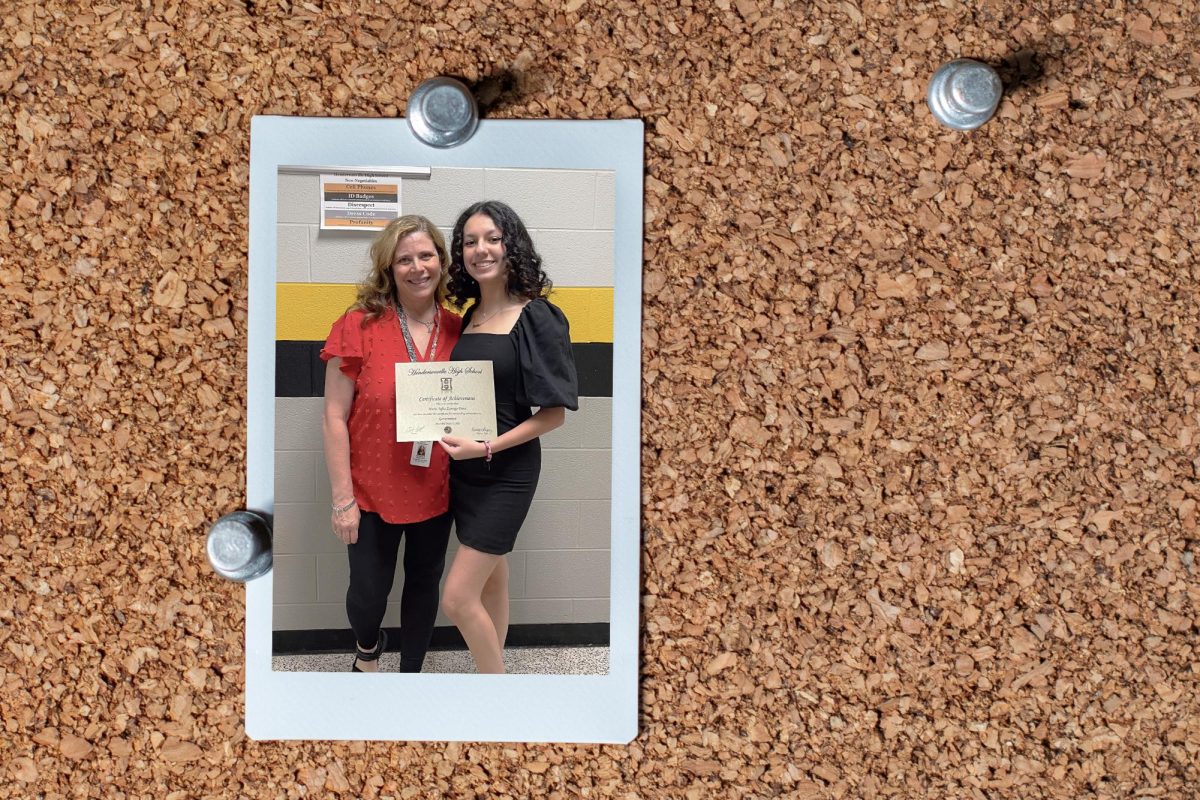
Caitlin Churchill, a teacher at Linden Waldorf School, dove deeper into the positive aspects of using public transit. Recently, she took her fourth graders on a field trip where they rode a bus from the school to a museum downtown.
Churchill explained, “It is tradition at Waldorf for the students to take the bus.” This had been Churchill’s first time on the metro bus, and she noted that it felt clean and that her students enjoyed the experience.
My conversation with Churchill ultimately led me to a realization. While each of the three students at Hume Fogg and Churchill, remembered their experiences on the WeGo for differing reasons, each of them found positives in taking the bus. The metro bus brought real world experiences to these students at a very young age, and while these experiences were intimidating at the time, it taught them lessons that many students who are sheltered from things like public transportation never get to learn.
Ultimately, these positives and negatives all impact bus riders in different ways. Among the students whom I interviewed, however, there was a consensus that the bus could be cleaner and safer, aspects which stop many students from gaining the education taking the bus provides. So what are other major cities doing to make metro transit more accessible?
In Houston, TX, February of 2025, members of the Metropolitan Transit Authority of Harris County (METRO) founded METRONow, a system which is focused primarily on improving the reliability, cleanliness, safety and accessibility of the metro bus. The METRONow plan includes proposed investments in the bus system to improve transit in the region. The official website of METRO offers some of the proposed investments. This includes approximately $100 million towards repairing hazardous crosswalks, sidewalks, and streets, approximately $7 million towards additional security resources, and more proposed investments.
Nashville is also looking to make its own improvements to the public transit system. Following the 2024 approval of the “Choose How You Move” program, buses were and are being equipped with onboard electronics and safety systems, an improvement which cost $667,498 per vehicle. The expansions of this project also include improved weekend availability for WeGo Access, which provides door-to-door transportation for riders with disabilities, guaranteeing accessibility for those with disabilities.
Public transportation has been a factor of American life for years, yet many still don’t utilize it for a number of reasons. While the size of Nashville, along with the number of people who rely on public transportation increases, many people lean towards focusing on the negative aspects of metro transportation. Although public transit is far from perfect, the worldliness that it can provide is unmatched. As our city works to improve the overall wellbeing of public transit, you can leave your own impact on it simply by taking advantage of the public transit Nashville offers. City leaders are looking for ways to improve Nashville, and one of the best ways for them to do so is by hearing from citizens. Utilize what Nashville has to offer, help those in charge improve the city, and maybe along the way you will gain a new, interesting story to share.