




















You’ve probably been hearing the word redistricting — also known as gerrymandering — in the news recently, thanks to a recent Supreme Court decision that’s likely to have a big impact on the midterm elections and far beyond. We’re breaking down the jargon to explain what redistricting and this recent decision mean — and why it matters to students like us.
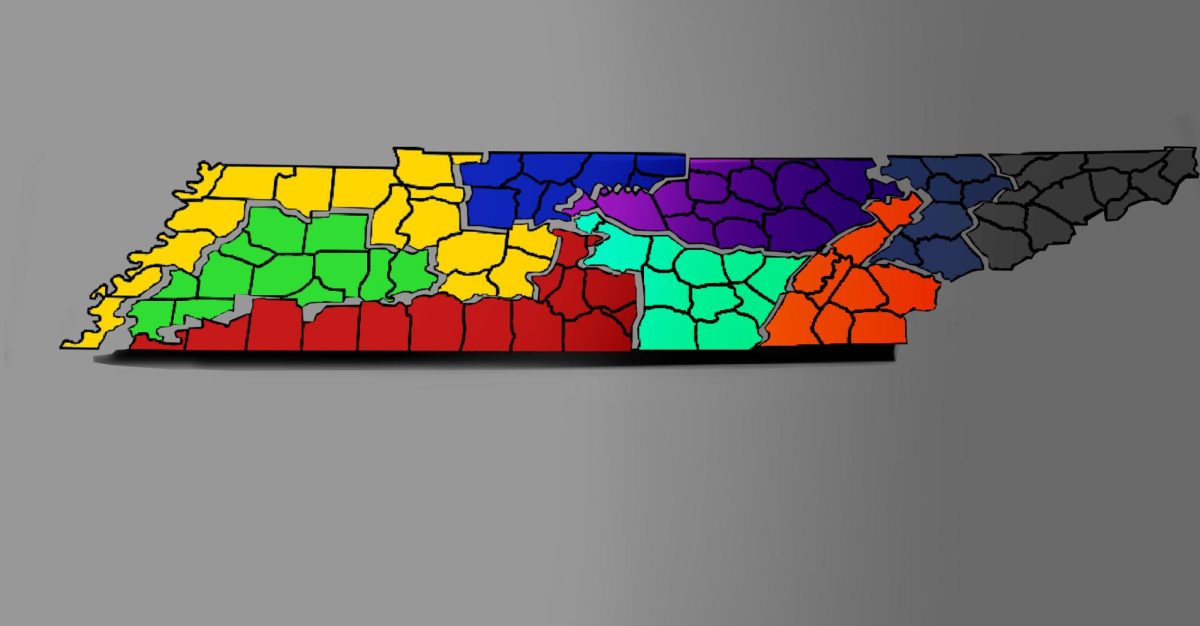
To understand redistricting, we first have to understand voting districts. Every state has a certain number of Representatives in Congress, allotted based on state population. Unlike Senators, who represent all the voters in a state, Representatives serve particular sections of the state — those would be the voting districts — that are set by maps the state legislature creates. When states draw voting districts in weird or twisty ways to make sure a particular candidate or party wins an election, the practice is called gerrymandering.
Enter: The Supreme Court’s decision made on April 29, which is likely to significantly change the way states decide how voters elect their Congressional reps.
The case, Louisiana v. Callais, challenged the Voting Rights Act which, among other things, had forbidden certain instances of gerrymandering. Passed in 1965 as part of the Civil Rights Movement, the Voting Rights Act stopped ways states were keeping Black Americans from exercising their right to vote and gaining real political power after segregation. Among those methods? Gerrymandering voting districts in ways that made it impossible for Black voters to elect their preferred candidates, by making sure they were always in the minority of voters. Section Two of the Act prohibited any state actions that limit minority voting power.
Here’s where it gets complex: Courts sometimes found that, to comply with the Voting Rights Act, states had to draw voting districts made up of majority-minority communities. Though states are prohibited by the Constitution’s Equal Protection Clause from discriminating among voters on the basis of race, the Act sometimes forced states to consider race when drawing electoral maps, to ensure minority communities had a fair shot at electing candidates they wanted. The Act also made a way for voters to challenge districts that diluted a minority community’s voting power and require states to redraw them.
Cut back to this year: In Louisiana v. Callais, a group of non-minority voters challenged an electoral map drawn by the State of Louisiana that included two majority-minority voting districts. They argued the map violated the Constitution’s Equal Protection Clause because it created voting districts based in part on race. SCOTUS mostly agreed. It decided states could still create majority-minority districts under the Voting Rights Act, but it changed the rules so it’s much harder to do and much harder for minority voters to argue states are being discriminatory.
The Court said voters could only challenge an electoral map under Section Two if they could show that the people who created it intended to racially discriminate. Opponents of the Court’s opinion argue that proving someone is intentionally discriminating in this way is extremely difficult, and that the Court’s decision makes it virtually impossible to challenge an electoral map as being racially problematic.
After the Supreme Court’s decision, some states moved quickly to draw new electoral maps that would get rid of majority-minority districts. In Memphis, for instance, the state General Assembly redrew districts in a way that the ACLU and NAACP argue limits the power of a Black voting bloc. Historically, the city of Memphis — which is predominantly Black — had sent mostly Democratic candidates to the House. The redrawn map looks like a sliced cake, starting in the city center and with most of each slice weighted toward the majority-white and Republican rural areas.
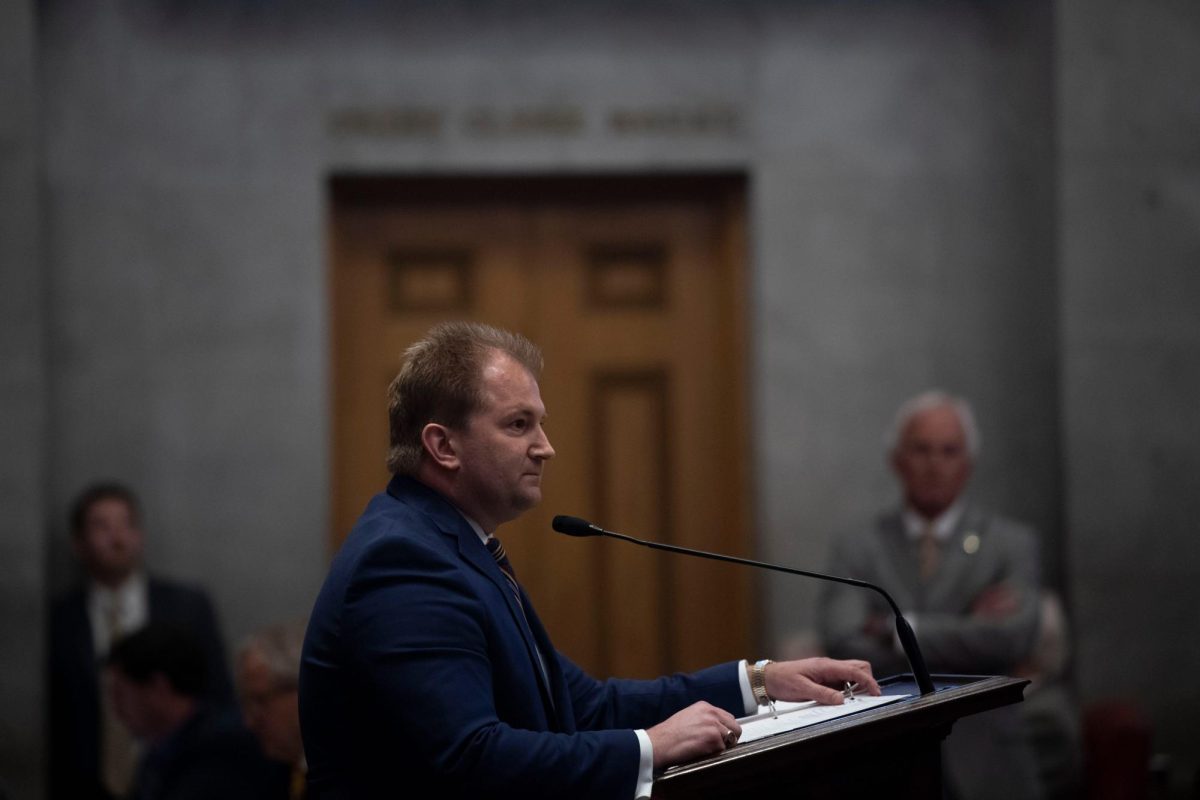
What happened in Memphis is symbolic of a broader change that’s now possible in Tennessee — and other states — because of SCOTUS’s decision. Vanderbilt Law School Professor Francesca Procaccini said that, because electoral maps are drawn by the political party in power in a particular state, this new permissiveness around redistricting could make it easier to gerrymander on political lines. That in turn could have the effect of one political party holding all of a state’s seats in the Senate and the House of Representatives. That’s bad, she said, because “[t]he House is not designed to work like that. The House is designed to be representative [of] different pockets of voters throughout the state,” and to give those smaller groups of voters “an opportunity to elect a representative that better represents their political choice.”
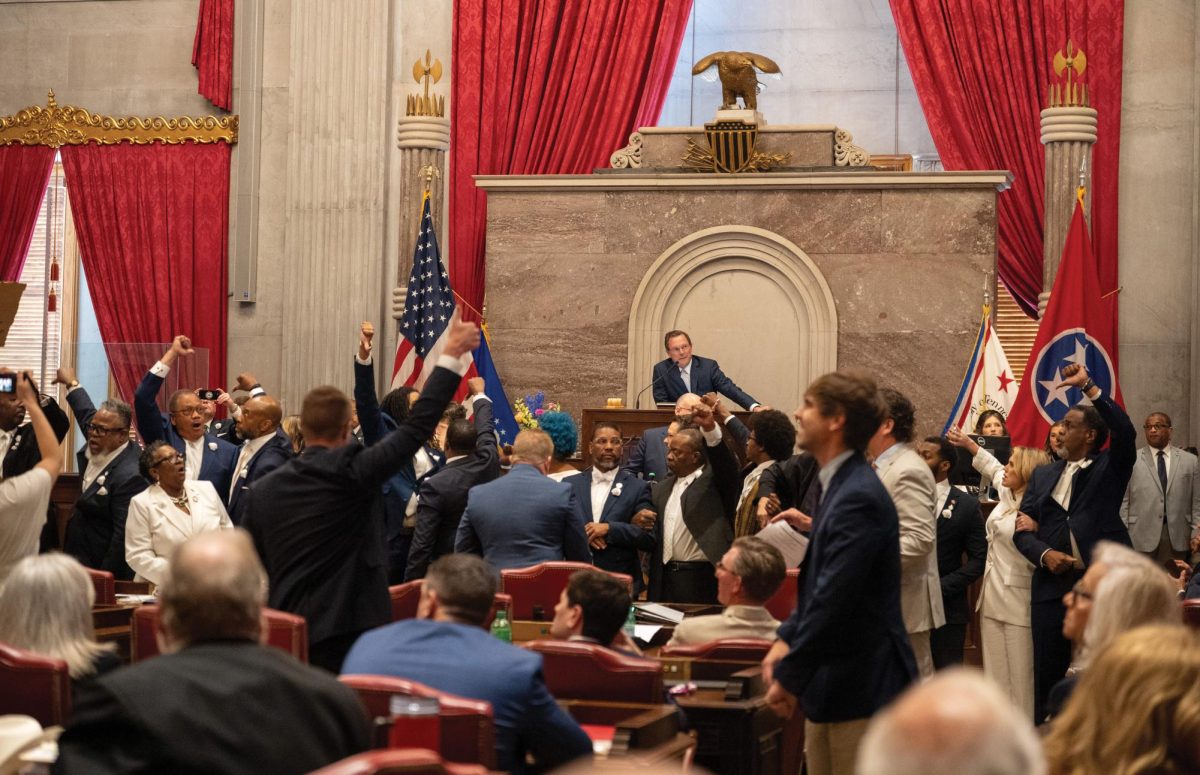
Here in Tennessee, Republicans hold a supermajority in the state legislature and drew the new electoral map over Democratic opposition. Procaccini fears the new map will “nullify the power and effect of any voter who is not voting Republican,” because the districts will be drawn in a way that is “designed for a [non-Republican] vote to lose.” This would mean, she added, that the majority party could keep sending its candidates to DC forever.
Why does this all matter? Procaccini said that voters from a community with similar needs and life experiences ought to be able to vote as a bloc, so “they can have a [representative] who is looking out for their interests. To the extent that you deny them that opportunity, you really are denying them effective representation in Congress.”
What should young people who are worried about the effect of the Callais decision do, then? Simple, according to Procaccini: Head to the polls when you’re old enough. “Only about 50% of eligible voters vote,” she said. “If you want your vote to matter, then you need to go out, find a friend, and have them vote with you.”