




















Seventeen-year-old Laila Barnes clocks in at Moves and Grooves, the after-school arts nonprofit where she spends her summer learning the ropes. Her favorite part of the experience isn’t the work itself, but rather meeting new people. “I feel like the most valuable part [of the experience] is networking with the people who are at your job or the people who are mentoring you,” Laila said. “Like just chatting with them and seeing how their days are going are good because then they might want you back on the job.” Laila’s experience shows the program’s success in pulling students into the workforce that may not have otherwise been able to find jobs.
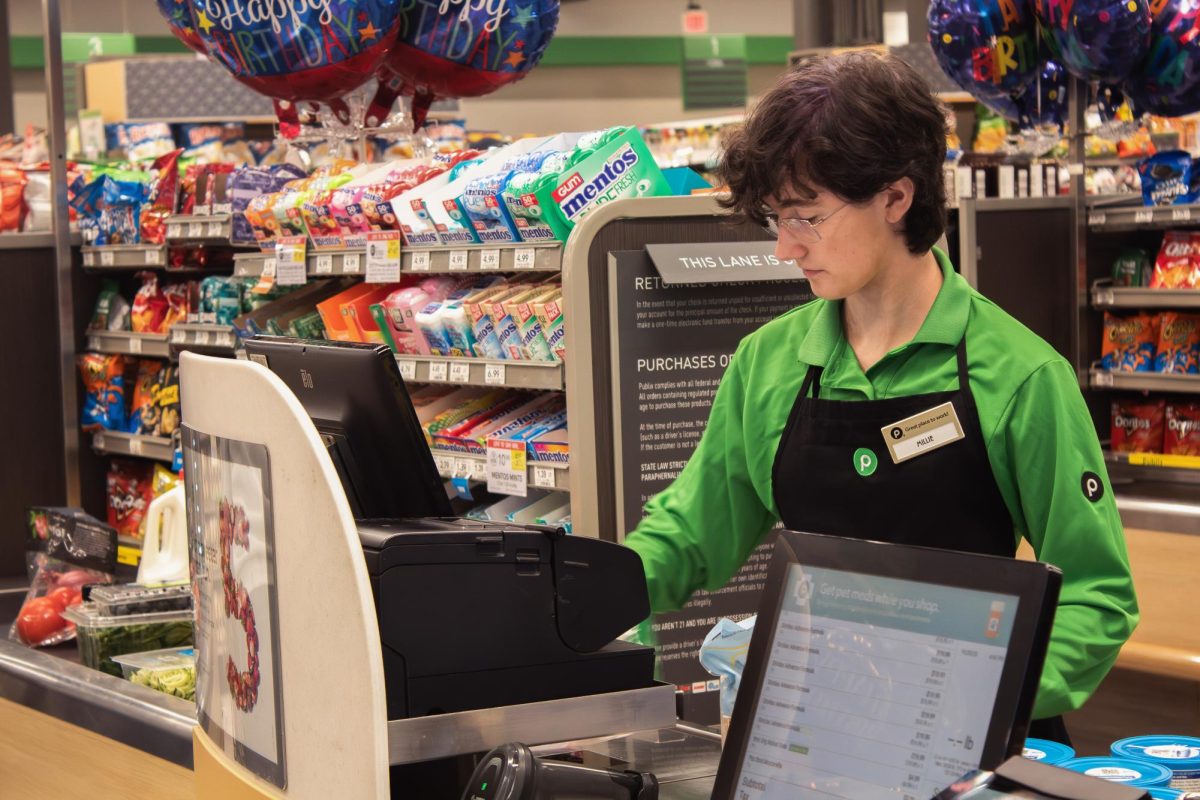
Her internship is one of hundreds coordinated through Nashville’s POWER (Providing Opportunities for Wealth-building and Economic Resilience) Youth Summer Employment Initiative, which is run by the Metro Action Commission. The program provides annual vocational opportunities during the summer for Nashville residents between the ages of 14 to 24, with pre-determined wages based on the age of the given employee. POWER Youth has three tracks: Experience work for 14-15 year-olds, High school internships for 16-19 year-olds, and Direct hire, which is available to all Nashville youth in the program.
In recent years, entering into the workforce has become challenging nationwide, especially for teenagers. With even the most accessible fast food chains, including McDonald’s and Wendy’s, expecting applicants to have a breadth of experience in the industry, it is proving difficult for teenagers to find jobs. The Bureau of Labor Statistics verifies this shift. Only 53.1% of Americans ages 16-24 were employed in July 2025, down from 54.5% in July 2024. Nashville is no exception to this pattern. According to a 2021 Tennessee State Data Center Report, summer employment rates among teenagers in the city of ages 14 through 18 decreased from 28% in 2000 to 21.2% at the time of measurement, and that trend may not be offset anytime soon. With that being said, through POWER Youth and other programs, Nashville is making small strides on boosting youth employment.
The program’s positive work environment allows for genuine connections to form naturally. Compared to a traditional job, the program is significantly less stressful. According to Laila, “no one [works] long hours…and most of the time they [don’t] have you doing overly complicated or rigorous things.” These factors, combined with the presence of mentors that coach the young employees, make the job less strenuous.
Not only is the program leisurely, but it also instills employees with skills necessary for future jobs. Maia Allison, a 16 year-old program participant, said her experience in the program was invaluable in preparing her for high-skill professional careers: “I learned a lot of social skills like communication, problem solving, and adaptability especially when I worked for non-profits meant to help and protect the youth.” By inviting high school students into a microcosm of the work force, the program helps them pursue their chosen career paths with more assurance in their abilities. Maia emphasized this, saying, “I do feel more confident. POWER Youth kind of gives you a demo of real life and makes you feel more confident. Since you’ve already had the experience you feel like you know what you’re doing.” The internships grant teenagers the opportunity to rehearse important professional habits and become more self-assured.
Perhaps more important than anything else, the program helps children understand the value of money and the necessity of preserving it. Chinaza Onuorah affirmed this, having participated in the high school track in the summer of 2024: “Last summer they incentivized financial literacy by adding an extra hour of pay to your check if you completed a short worksheet to learn about it.” POWER Youth not only allows employees to reach their first financial milestones, but it also equips them with the tools necessary to handle that responsibility through optional budgeting lessons, guiding children towards financial responsibility.
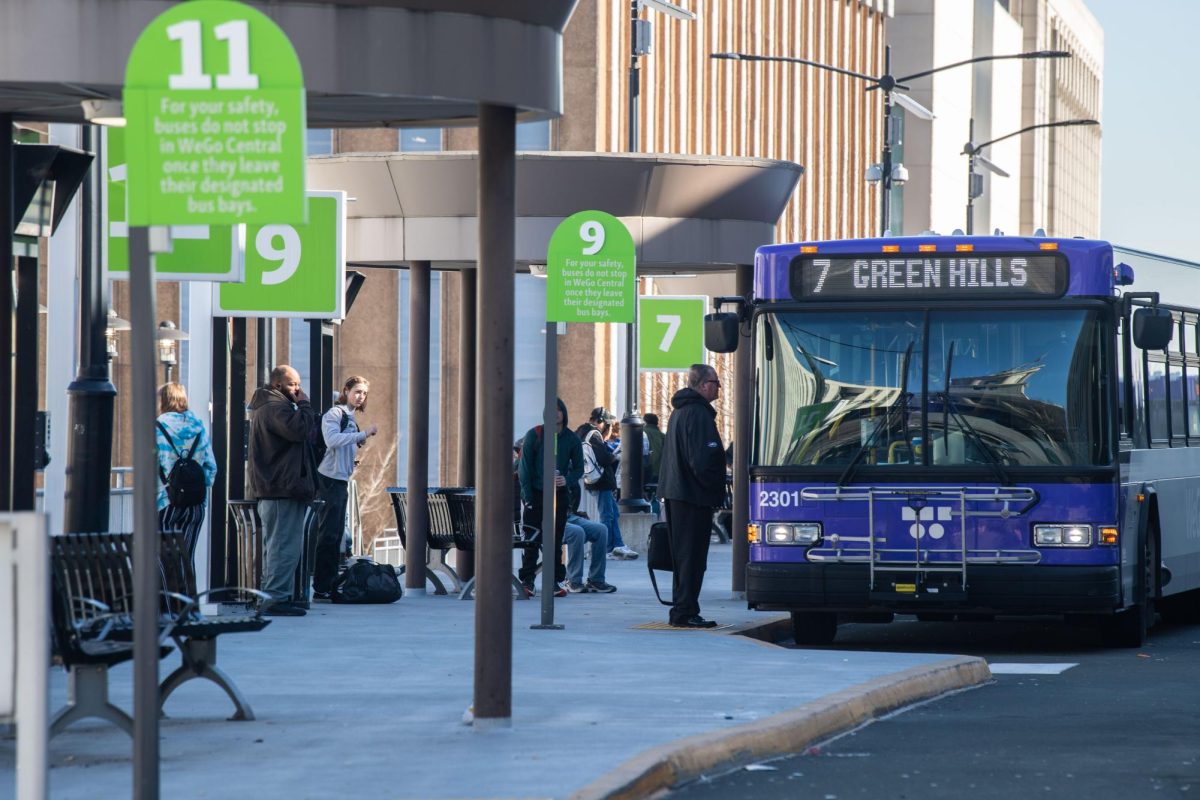
Still, it’s important to note that POWER Youth’s scale is limited due to the age of its target audience. As Laila noted, “Transportation could be a hassle. I didn’t have my own car at the time, so my parents always had to drive me to Mooves and Grooves. There were some shifts that I had to miss because my parents were too busy with work and couldn’t take me.” Many teenagers don’t have a consistent means of transportation to and from their job sites, which creates logistical difficulties. Nashville and MNPS offset some of this with WeGo’s StrIDe program, which gives high schoolers free bus rides. Even with this program, many employees in the employment and high school tracks still struggle with long commutes. Challenges concerning transportation are inevitable when employing teenagers, but it’s a necessary tradeoff if the city wants to give young people access to real jobs in real workplaces.
Nashville has a long way to go before teen employment rates reach an ideal level. However, with programs with POWER Youth, that goal is no longer out of reach. If you’re a Nashville youth between the ages of 14 and 24, or you know someone who is, consider applying to POWER Youth when the application portal opens in February 2026. The confidence and professional skills that Laila, Maia, and Chinaza acquired from their experience in the program demonstrate that it’s not just improving numbers—it’s changing lives.