

















This piece was syndicated from Peabody Press, the student newspaper of University School of Nashville
On Sunday, September 7, a five-mile loop of street around downtown Nashville was closed to cars as part of the Open Streets Summer Series, an event organized by local nonprofits.
Open Streets is a bold project and concept that is just one part of a gradual movement in recent years towards safer and more effective transit infrastructure in Nashville.
Choose How You Move, an ambitious new infrastructure plan passed by the Metro Council last year, is another part. The beginning of Nashville Critical Mass rides, where cyclists gather together to disrupt traffic, is another, as are protests occurring where cyclists and pedestrians have been hit and killed by cars.
Getting involved in this movement might seem intimidating to the average Nashvillian. But whether you drive a car, ride a bike or bus, or walk everywhere, there’s some way you can get involved in making our city a safer place for everybody.
To start with, try checking out local newspaper outlets to get a sense of the different transit-related projects and events happening in Nashville.
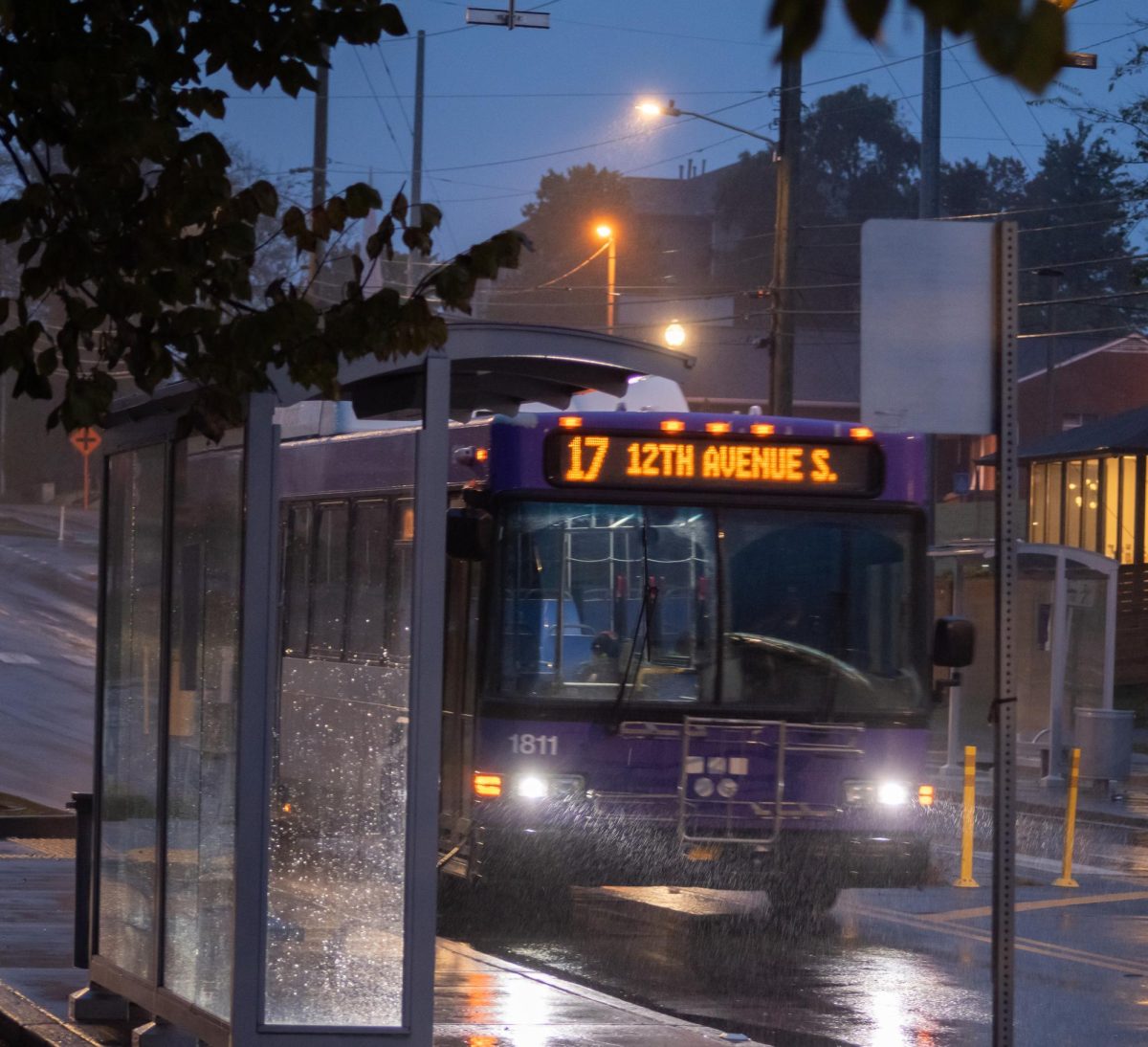
Mackey Luffman, University School of Nashville (USN) history teacher and frequent bus rider and cyclist, follows some specific sources in order to stay up to date.
“I follow local news media. My particular outlets are the Nashville Scene, the Nashville Post, which handles a lot of the business and real estate side of things, and then the Nashville Banner has also been invaluable with their local reporting,” said Luffman. “I also follow a couple of very active followers of our Metro Council on social media.”
Once you have a general sense of local news, you might want to check out Walk Bike Nashville. A leading local nonprofit that’s been active since 1998, Walk Bike Nashville is the big driver behind events like the Tour De Nash and Nashville Open Streets. Walk Bike has 13 board members, but with a small staff of eight, the nonprofit relies almost entirely on volunteer support to staff their events, making them a great place to help out in the Nashville community.
If you’re looking to be a bit more involved with activism, the Civic Design Center is another organization to check out. They work with local communities to advocate for infrastructure improvement in their neighborhoods, and have many opportunities to be directly involved. The Civic Design Center has volunteering positions that include putting in 5-10 hours a month for 1-2 years.
For those who’d like to do more cycling-focused activism, Bike Fun is more of a bike-focused organization. According to their website, they “strive to create joyful bicycle riders in Middle Tennessee,” and they accomplish this goal through a variety of different programs. Some of their main services are learn to ride classes: so whether you’re a little kid, a teenager, or an adult, Bike Fun has a class for you. Bike Fun also offers workshops and consultations on bike repair, bike sizing, route selection, and similar topics, often with sliding scale rates and for free if possible.
If you’re already an experienced rider, Bike Fun organizes free-to-attend group rides like Pedal the Park, a friendly ride that takes place in Shelby Bottoms Park every other week. Volunteering here would involve helping riders of all ages learn to ride or teaching them how to fix their bike.
While volunteering with organizations like these is a great way to participate in the transit improvement that’s happening in Nashville, it can also be hard to find time. But there are also plenty of smaller things you can do in your daily life to help out.
A passive but invaluable way to volunteer is by using Hub Nashville, the city’s incident reporting system. Whether using the mobile app or going to hub.nashville.gov, you can lodge a complaint or give feedback to the city. This doesn’t just apply to infrastructure — you can use it to request anything from tree plantings to trash cleanups.
While he doesn’t necessarily do a lot of volunteering, Luffman often uses Hub Nashville as an example of what he calls “obvious activism.”
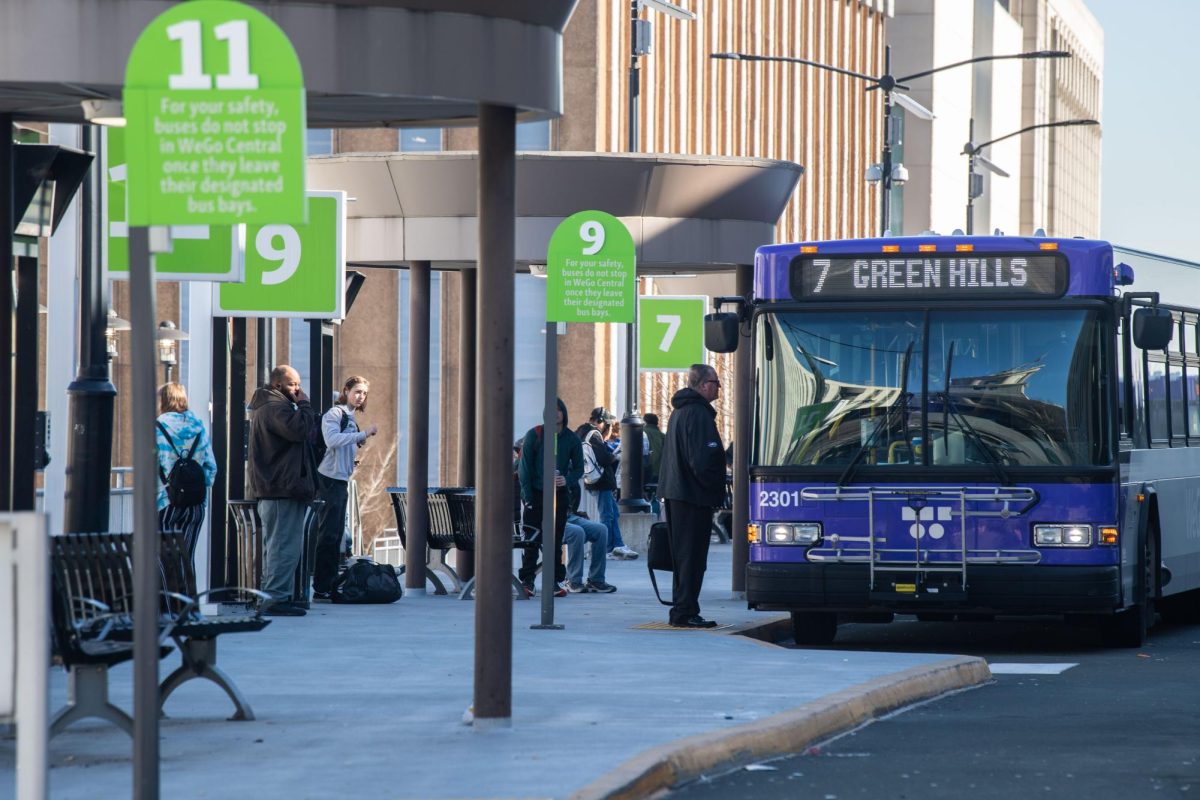
“In terms of political activism and engagement, I am not as involved as other people. I am a little more involved than I think a lot of bus riders are . . . I’ll use the Hub Nashville; they [previously only] had a complaint button, but now they have a positive feedback button,” said Luffman. “My bus driver was super awesome the other day. I wasn’t [at the bus stop] yet, but he stopped where I was so he could pick me up and get on. So I left a positive note for him, thanking him for doing that. I do that kind of obvious activism.”
Regardless of whether or not you’d like to take an active role in improving Nashville, taking advantage of the infrastructure that’s already there is a good idea. Nashville has multiple greenways, dedicated bicycle and pedestrian paths located all around the city.
While Luffman rides the bus to USN most days, he also often enjoys riding his bike on those greenways.
“I will ride the greenways for exercise and for enjoyment. We’ve got good ones. We’ve got some that are nice and flat, [and] we’ve got some that are actually big workouts. They are, at least from my sense, kind of the urban core of Nashville. Every neighborhood has rideable access to a greenway, with a possible exception of Green Hills,” said Luffman.
Of course, not everyone has or knows how to ride a bike, and not everyone knows enough about the Nashville bus system to confidently navigate it. But if you’re looking for something to do, want to investigate a new workout option, or think that you can help out, try getting a no-cost bus pass from the USN High School office, learn to ride a bike with Bike Fun, or do some light volunteering anywhere around town.