





















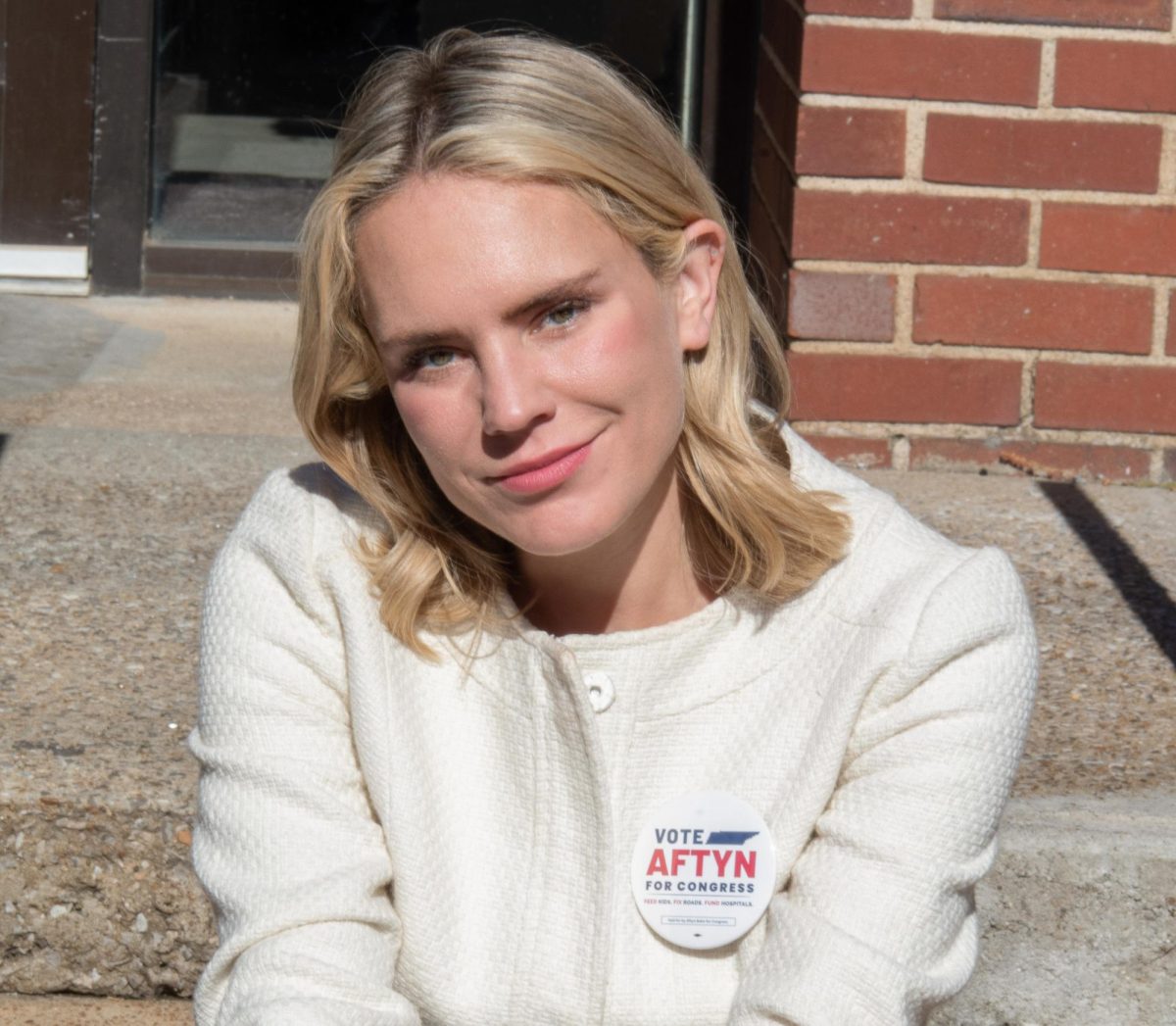
30 minutes late to our interview, I placed my hand on the door and braced for an understandably frustrated and rushed legislative member. Instead, she locked eyes with me and offered a friendly smile, a warm handshake, and a quick office tour. Wearing a petite power suit from her thrift-only wardrobe, TN Representative Aftyn Behn sat down with me and served up a snack.
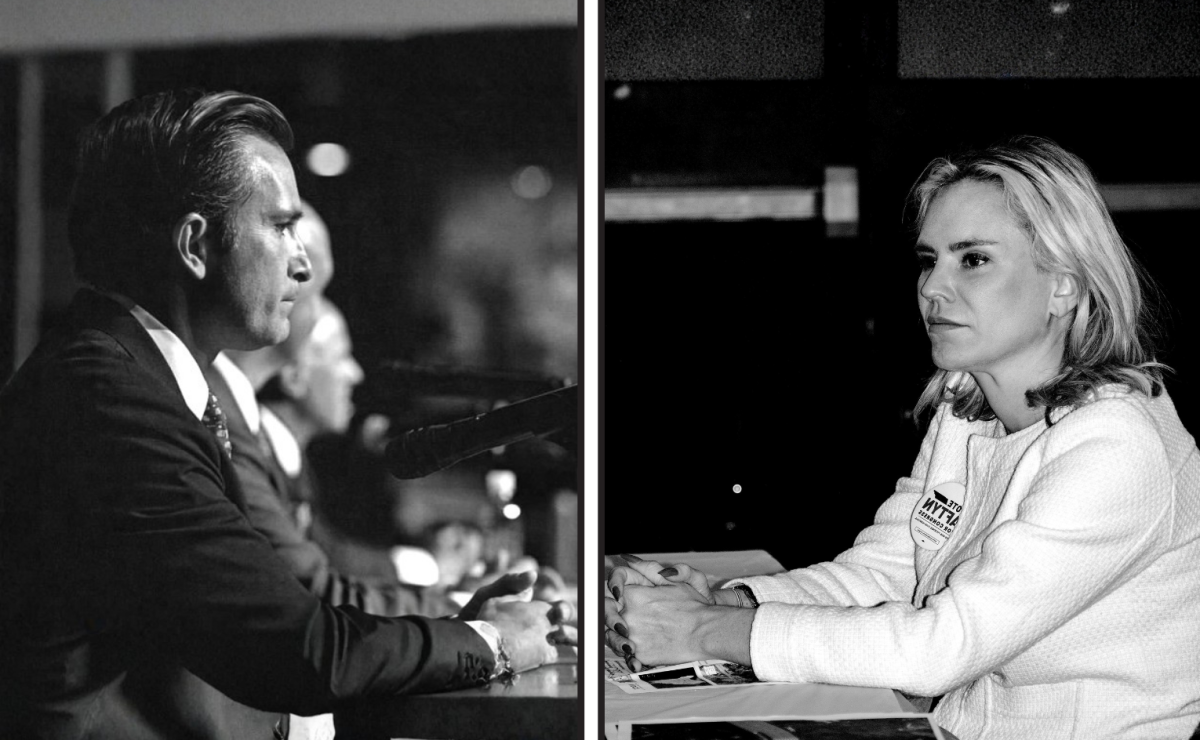
Behn is the Democratic candidate for the upcoming special election to Congress for Tennessee District 7, previously held by Republican Mark Green, who resigned earlier in July 2025 due to an opportunity in the private sector, according to a social media post. The election will be held on Tuesday, Dec. 2, against Republican Matt Van Epps, and sets the stage for the 2026 midterm elections.
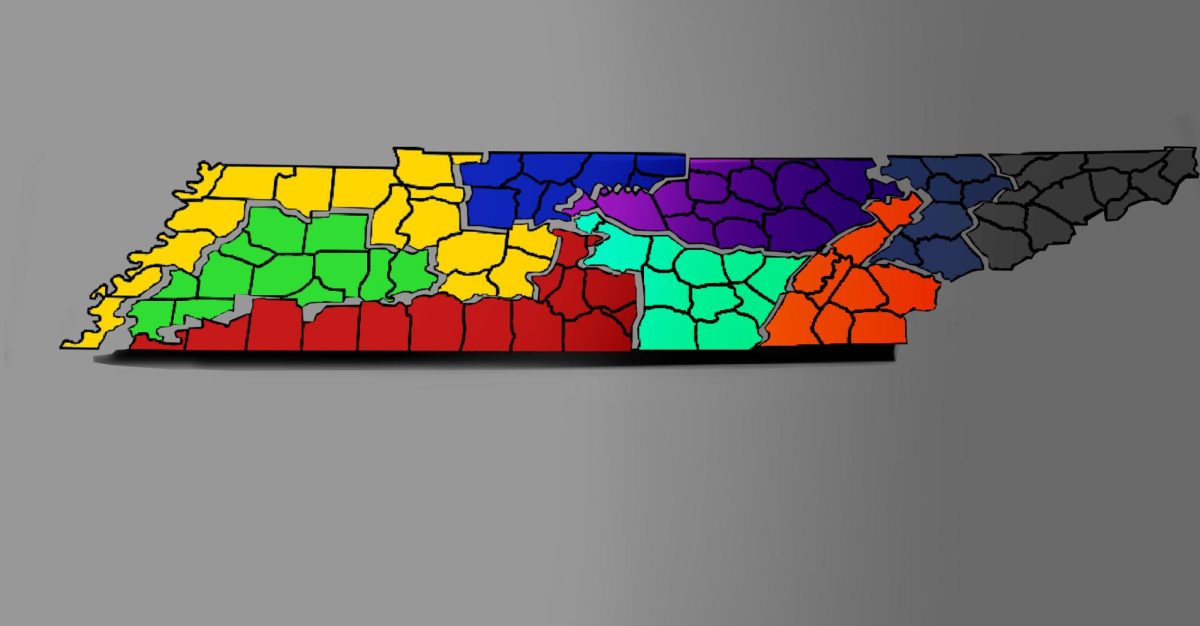
Going into the election, Behn faces an uphill battle. District 7 is a heavily red district within a red state, and her opponent, Van Epps, has been endorsed by President Donald Trump. If victorious, Behn would be the first Democratic representative for Tennessee’s 7th congressional district since 1983.
At 35 years old, Behn has launched a campaign with very specific goals laid out in her slogan: Feed Kids. Fix Roads. Fund Hospitals. Like her slogan, Behn herself is direct, focused, and punchy. Soon after I arrived at her office at the Tennessee State Capitol, Behn walked me through the work she was doing – putting together an advocacy effort for Kramer Davis Clinic, a health center in Hermitage that had been facing the threat of closure having lost its funding. With the uncertainty around Medicaid, the closure could also add significant distress to patients.
I sat in Behn’s office as she drafted an email about Kramer Davis to the Tennessean, hoping to raise awareness about the threat of closure. I listened in as Behn called the staff at Kramer Davis to check in on them and ask what else she could do for the health center.
Explaining why she became involved with Kramer Davis, Behn told me that her priority is reaching those who are often overlooked. A licensed social worker, Behn said that getting involved with civic organizing while growing up in Knoxville, Tennessee, fostered a desire to be deeply involved in her community.
“I believe that staying close to the grassroots and remembering where you came from – the people that have supported you – is incredibly important as a Representative,” Behn said. “In office, I have an opportunity to have the voice and power that is needed to support those who elected me.”
When she got off the phone with the Kramer Davis staff, Behn met virtually with her social work intern about the presence of U.S. Immigration and Customs Enforcement (ICE) on university campuses. Currently, ICE has unrestricted access to public areas on university campuses in Tennessee, which has been expanded due to the reversal of the 2021 Sensitive Locations Policy instated by the Biden-Harris administration.
At the end of our day together, I watched Behn get ready for the Sept. 9th Democratic candidate forum. Behn prepared by reviewing relevant policies and recapping issues that she’d been actively involved in. These included policies like the Tennessee Medicaid Modernization and Access Act of 2025, an act Behn co-sponsored that focuses on making Tennessee healthcare more affordable and accessible, and her work with community organizations like Tennessee Justice For Our Neighbors to advocate for the rights of immigrants in Tennessee. Behn outlined her plans ranging from building and keeping wealth in Black communities to rebuilding Tennessee’s Energy and Innovation Act. At a public forum at Austin Peay State University on Sept. 15, Behn said she will co-sponsor the Protect America’s Workforce Act, which would restore collective bargaining rights for almost 67% of the federal workforce.
Behn has a long list of policy actions and proposals to share at campaign events, but like any good politician, her best tactic for wooing voters is her charm. At our last stop of the day, we arrived at the candidate forum. Behn made her way through the crowd that had gathered. Starting at the front of the church, she took her time to look into each person’s eyes as she shook their hands and asked how she could serve them.
That was one of many things I learned the day I spent shadowing Behn, which offered lessons in campaigning relevant to anyone, no matter your political party. Lesson number one came when I arrived late at her office door: Look your future constituents in the eye and show them that you care. Behn also demonstrated the importance of a relentless work ethic and always showing up, of knowing who you are, of being specific about your goals and mission, and of embracing all generations, even those of us who aren’t yet old enough to vote.