


















Late into the night of September 30, 2025, members of Congress from across the political spectrum debated for hours behind the doors of the United States Capitol. The flames of partisanship lit as they tried to compromise on a new budget or temporary funding measure. The next morning, Americans awoke to what would be the longest government shutdown in U.S. history. The failure of Congress to agree on a new budget illuminated and threatened to enlarge a rampant problem: food insecurity in America.
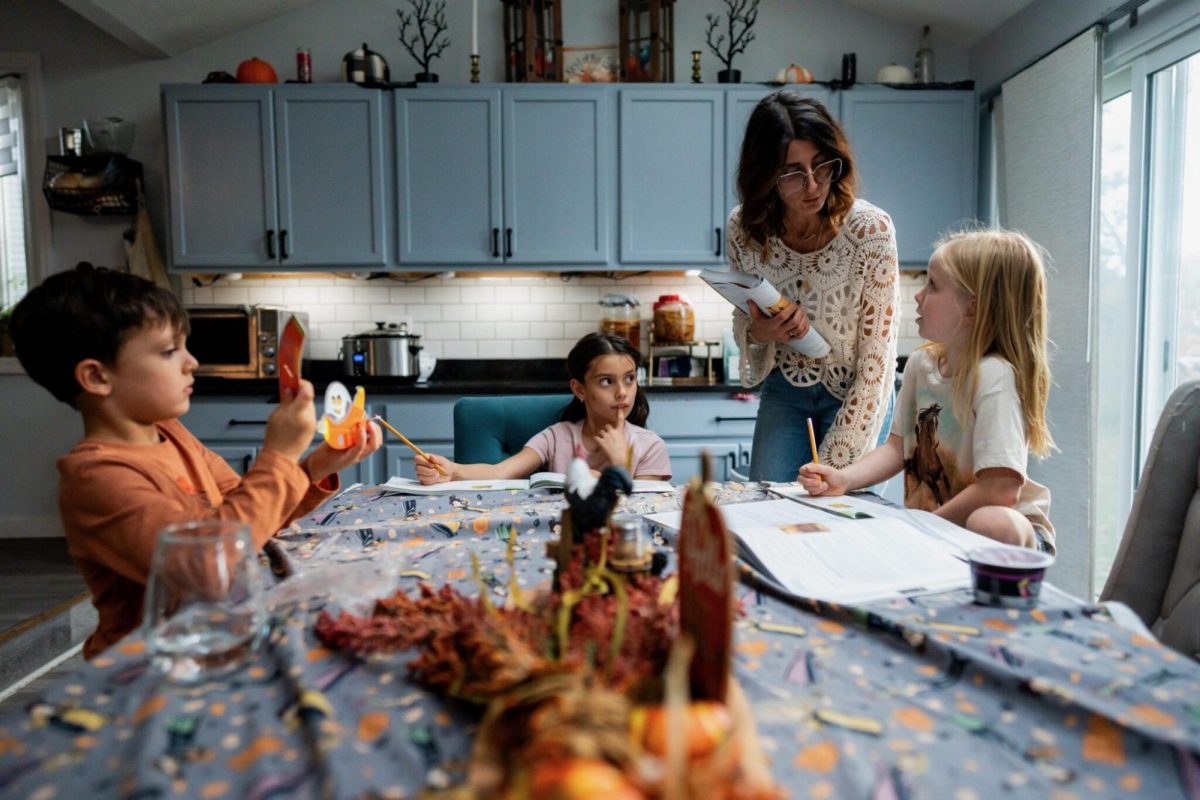
When the shutdown started, families in our community were overwhelmed by the stress of keeping food on the table. Everyone, from children to seniors, found their daily routines disrupted by the likelihood of losing something essential to many of their lives: SNAP benefits. In response, local community members, inspired by the needs of Nashville, began working to find new solutions to old problems.
Food insecurity rates in Nashville, Tennessee — as well as all over the country — have been on the rise in recent years. According to 2023 research by Feeding America, about 15% of the population in Davidson County – around 105,000 people – is food insecure. These demographics become even more alarming when broken down by race and ethnicity: about 23% of the Latino population and 27% of the Black population experience food insecurity.
Since that study, these numbers have risen significantly. At the very end of each year, Vanderbilt Medical Center surveys about 1,000 parents, and research from the 2024 Vanderbilt Child Health Poll shows that 39% of families with children reported food insecurity.
So what can we attribute these rapidly rising rates to? For many families, food insecurity began in 2020 with the loss of 23 million jobs nationally and sharp inflation. The crisis has persisted, and in many cases, intensified with recent events. On July 4, 2025, President Trump signed the One, Big, Beautiful Bill Act into law, stripping millions of Americans of SNAP benefits. SNAP is described by the US Department of Agriculture as a program that “provides food benefits to low-income families to supplement their grocery budget so they can afford the nutritious food essential to health and well-being.”
The maximum income for a SNAP-eligible family of four is about $32,000, a threshold so low that more than half of Davidson County’s food-insecure population does not qualify. Even for those who are eligible for SNAP, the program has been unreliable, especially under the Trump administration. The government’s 43-day shutdown froze SNAP benefits for up to 42 million Americans. As the government shutdown continued, demand from Nashville families grew as leaders close to the problem searched for an answer.
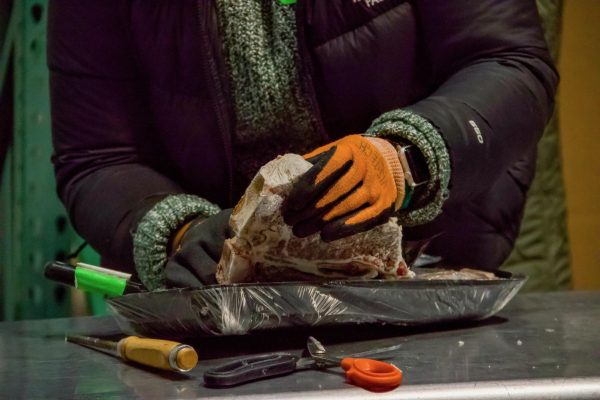
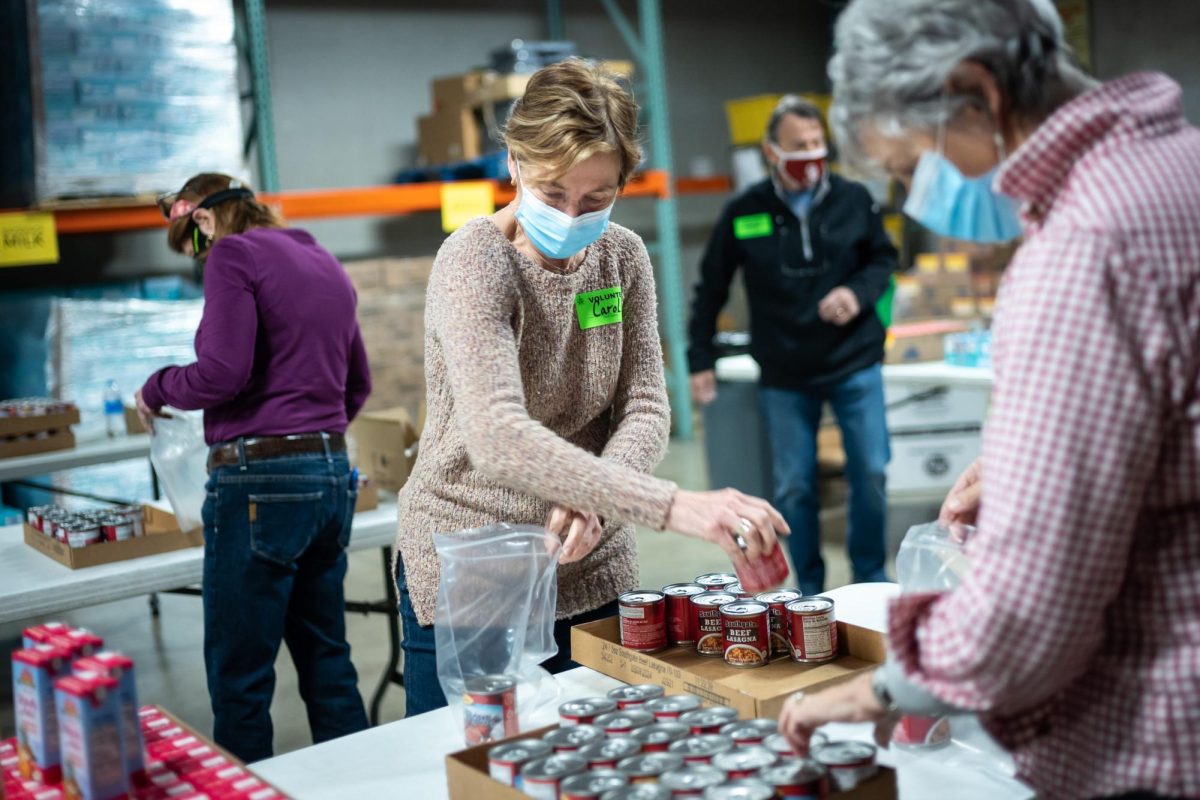
Food banks such as Second Harvest Food Bank have served the greater Nashville area for almost 50 years, but as the community’s needs have become more clear, other individuals stepped forward to help fill the gaps. Meco Isadore’s official title is Assistant Principal of Culture at one of KIPP Nashville’s middle schools, but her work extends far beyond what her job description would suggest. During the government shutdown, Isadore made the bold and practical decision to start a food pantry within her own community.
“During the government shutdown, the food we collected at KIPP Antioch College Prep helped us begin building our school’s first food pantry. As donations came in, we informed families that they could ‘shop’ discreetly whenever they needed support,” Isadore said in an interview. She explained that the priority was “to make sure families could access items without feeling any stigma or pressure.”
Isadore’s decision to start a food pantry within a school setting was informed by accessibility. She believes that there are often barriers between families and traditional food banks. “Accessibility can be challenging when families must travel to larger food banks or juggle work and transportation barriers. That’s why building a pantry inside the school was so important—families already come here daily, trust us, and know the environment,” Isadore said.
Second Harvest, a well-established food bank, operates 25 locations across the region. However, as Isadore described, it can be intimidating going into those larger settings, especially when a more reliable and convenient option exists. Isadore feels that food pantries like the one she started are a means of providing immediate relief in emergency situations, such as the government shutdown.
She also sees school-based pantries as a small addition to a collective effort by preexisting food banks such as Second Harvest. “Our school pantry is an example of how smaller, local supports can complement larger food banks. Ultimately, we see our pantry as part of a broader ecosystem, not a standalone solution,” Isadore said.
Under the current Trump administration, many who rely on government benefits face ongoing instability. The shutdown ended on November 13, 2025, when enough Congressional Democrats agreed to pass the Republican funding bill. Yet Isadore believes the effects will be long-lasting. “Many families faced financial strain, used up savings, or experienced emotional stress during the shutdown,” Isadore said. There is also a lingering fear among families about whether SNAP will remain stable in the future.”
Ultimately, Isadore’s goal was to provide families affected by the government shutdown with one less problem to worry about. As she put it, “the recovery doesn’t end when the government reopens—there is always a ripple effect.” Isadore said that the pantry is still growing, and that she hopes this experience is “the foundation for what will become a full, year-round resource.”
Although food banks like Second Harvest have been working to help food-insecure families in middle Tennessee for years, the surge in demand caused by the shutdown and the recent winter storm revealed that there is no standalone solution. The storm in Nashville left many local food pantries and non-profits with heightened needs, delayed deliveries, and volunteer cancellations, reaffirming the need for long-term, community-centered approaches to food insecurity.
Just like Winter Storm Fern was a pivotal moment this year for Nashvillians, last year’s government shutdown, the longest in history, was a pivotal moment for all of America. Although citizens are unable to control whether such events occur, we live in a country where our actions can influence their results. History has proven that when established organizations collaborate with emerging, grassroots efforts, meaningful and lasting positive change occurs. In the face of an event that overwhelmed and scared many families, Nashville demonstrated that partnership between old and new solutions can strengthen a community and ensure that fewer families go hungry.