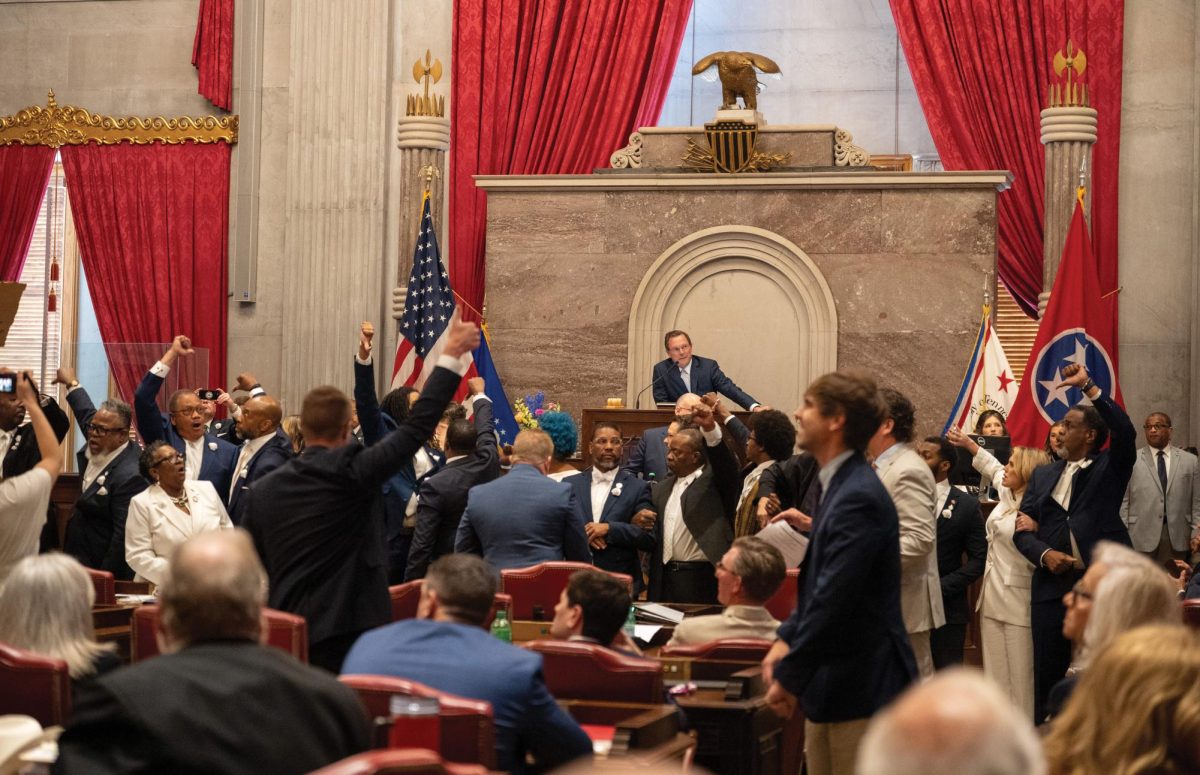

















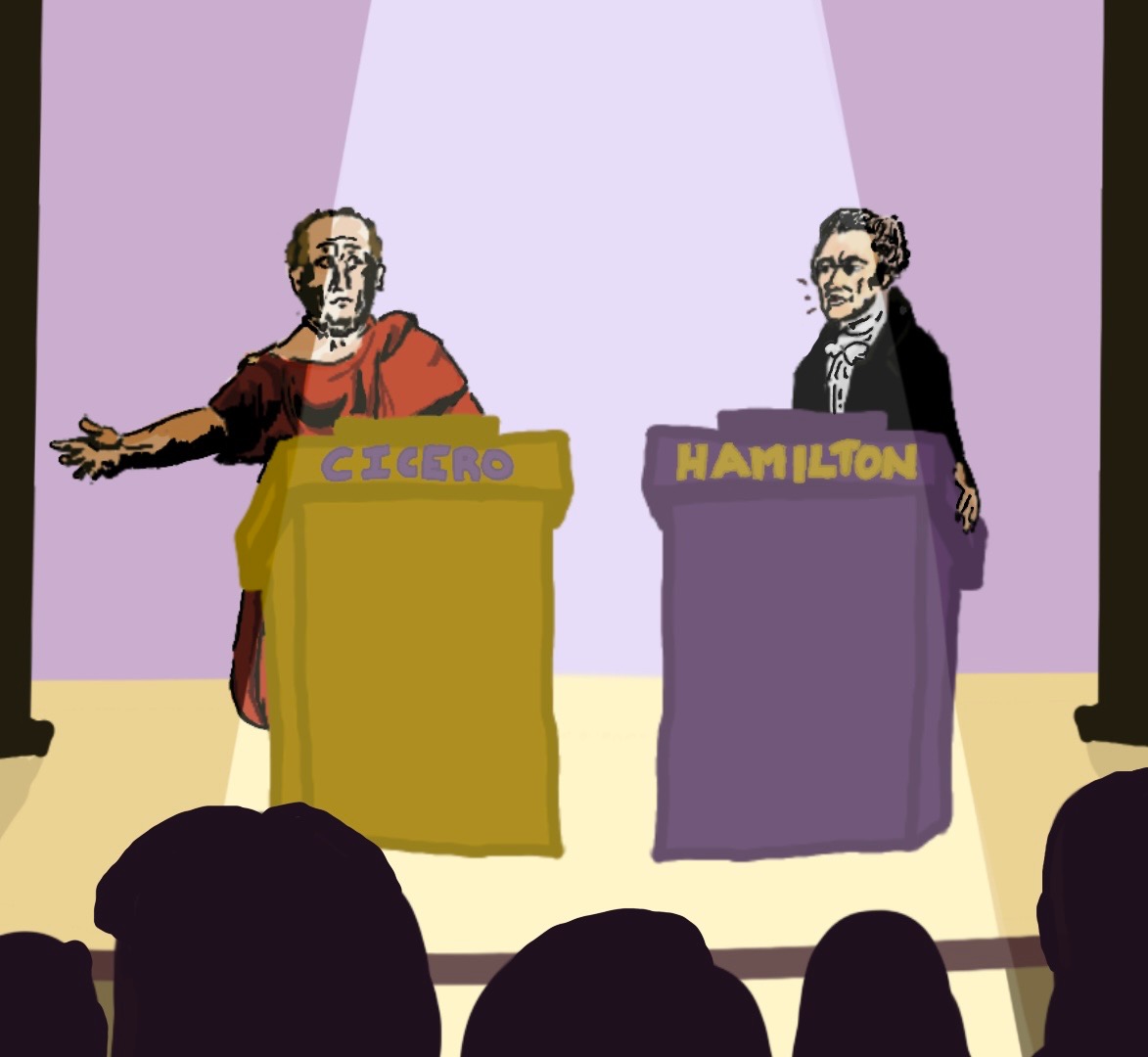







During recent Tennessee General Assembly sessions, tempers flared as Mayor O’Connell proposed a property tax hike — voices rose and accusations flew as the room split along party lines. Meanwhile, across the world in the mixed markets of Scandinavia, even billionaires nod along to steep tax rates. When it comes to taxes, what makes Nashville erupt in conflict while the Nordics rally in unity?
 Understanding Income Inequality
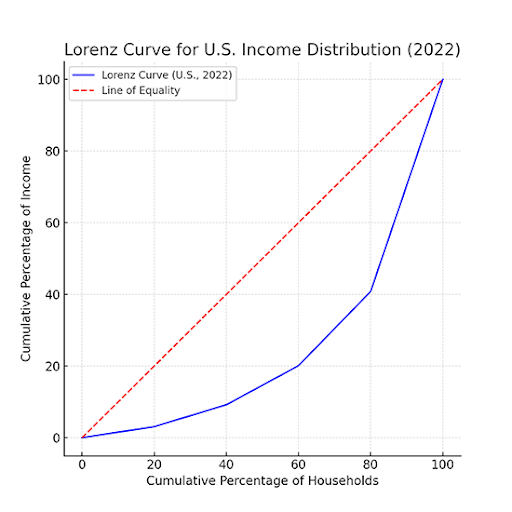
In an ideal, economically equal country, every fifth of the population earns an equal proportion of wealth: The poorest 20% of households earn 20% of the nation’s income and the richest 20% would also earn 20% of the nation’s income, and so forth. In the United States, the poorest fifth of households earns only 3.1%, while the richest fifth earns a staggering 52.2% of the country’s wealth. Conversely, in the Nordic country of Sweden, the poorest fifth earns three times the United States’ 3%, and the richest fifth earns only 38% of the nation’s income.
The Scandinavian solution for income inequality is a steep progressive taxation system, which places a higher tax burden on high income earners. Take Sweden, for instance. The Swedish government imposes a flat municipal tax of around 32% for ALL earners; however, for Swedes who earn above the equivalent of $56,000 USD, there is an additional tax of 20%. This earning threshold is incredibly low compared to the United States. The steepest progressive tax bracket of 37% only kicks in at earning levels several times higher.
However, the question is not the hypothetical efficacy of a progressive tax system in the United States. The real mystery is why Scandinavians almost unanimously support their socialist tax: what are the social undercurrents that create collective support for their extreme taxation? In Nashville, taxes have produced polarizing conflict.
Just a few months ago, Mayor O’Connell received fervent pushback from the Nashville GOP concerning his proposed $3.8 billion budget and its property tax increase of 26%. Yet in Sweden, even the richest Swedes support the high tax burden: IKEA founder Ingvar Kamprad has continuously voiced his support for Sweden’s high progressive tax. What social, historical, and economic factors make Sweden so cohesive and congenial when it comes to taxes, and what lessons can Nashville adapt to quell our own heated tax debates?
The Whys
One of the most apparent contributors to the Swedes’ unanimous support of steep taxation is their unshakable trust in their government. Year over year, the Scandinavian countries rank highly in government transparency and low corruption. When citizens trust the institution they are paying taxes toward, they will be more generous, with the confidence that their money will be properly handled.
In Tennessee, despite recent efforts like the Transparent Tennessee Initiative to boost government trust, Tennessee still ranks in the middle percentiles of government trust and transparency relative to other U.S. states. Smoothing over the tax debate begins with building a strong foundation of government trust.
National trust in the American federal government is alarmingly low relative to other developed democracies: according to the Pew Research Center, only 17% of Americans trust the federal government, a statistic far below that of Switzerland (82%), Canada (51%), and Germany (60%). Tennessee sits only mid‑pack within a nation that already trails far behind its global peers in institutional trust, making the state’s need for government transparency and trust far more apparent.
A second reason for the strong support of Scandinavian tax systems is their racial and cultural homogeneity. For instance, over 80% of Sweden’s population is ethnically Swedish. Post-World War II, progressive Swedes easily rallied support for strong redistributive policies by leveraging Sweden’s racial homogeneity. The high tax seekers marketed the idea of “supporting people like themselves” — all with shared language, ancestry, and culture, which broadened support for their initiatives.
In researching the relationship between social trust, racial dynamics, and the welfare state, Danish political scientist Gert Svendson found that racial and cultural homogeneity correlates with higher social trust, which in turn supports larger welfare states. Unlike government trust, racial homogeneity is not a viable method to reduce tax-related friction in Nashville, seeing as the city is rich with the diversity that makes it strong.
Why Nashvillians Should Care
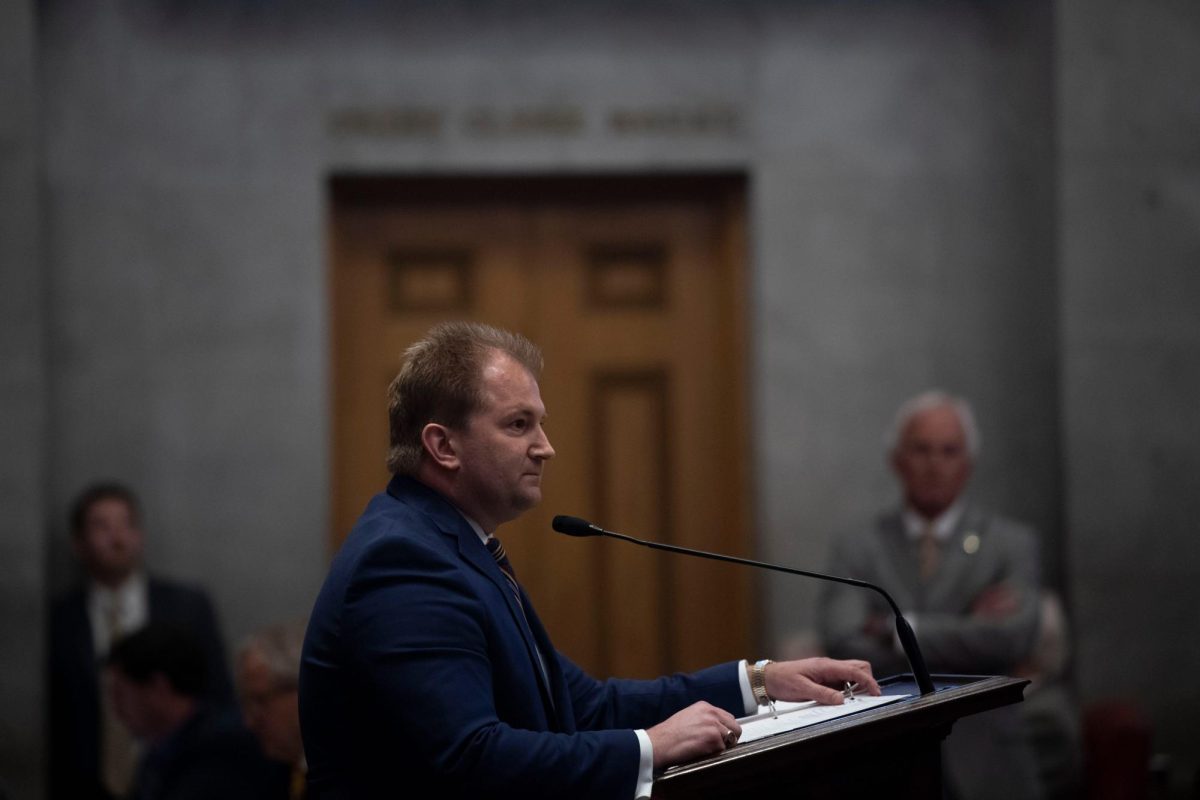
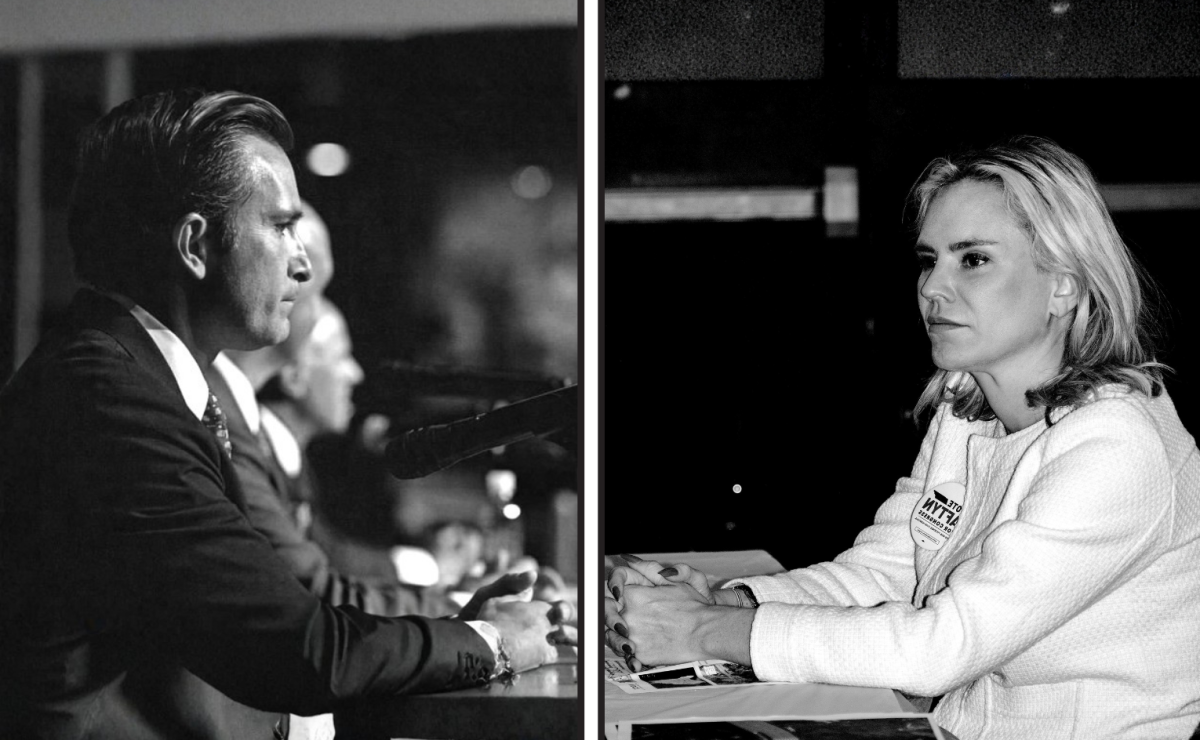
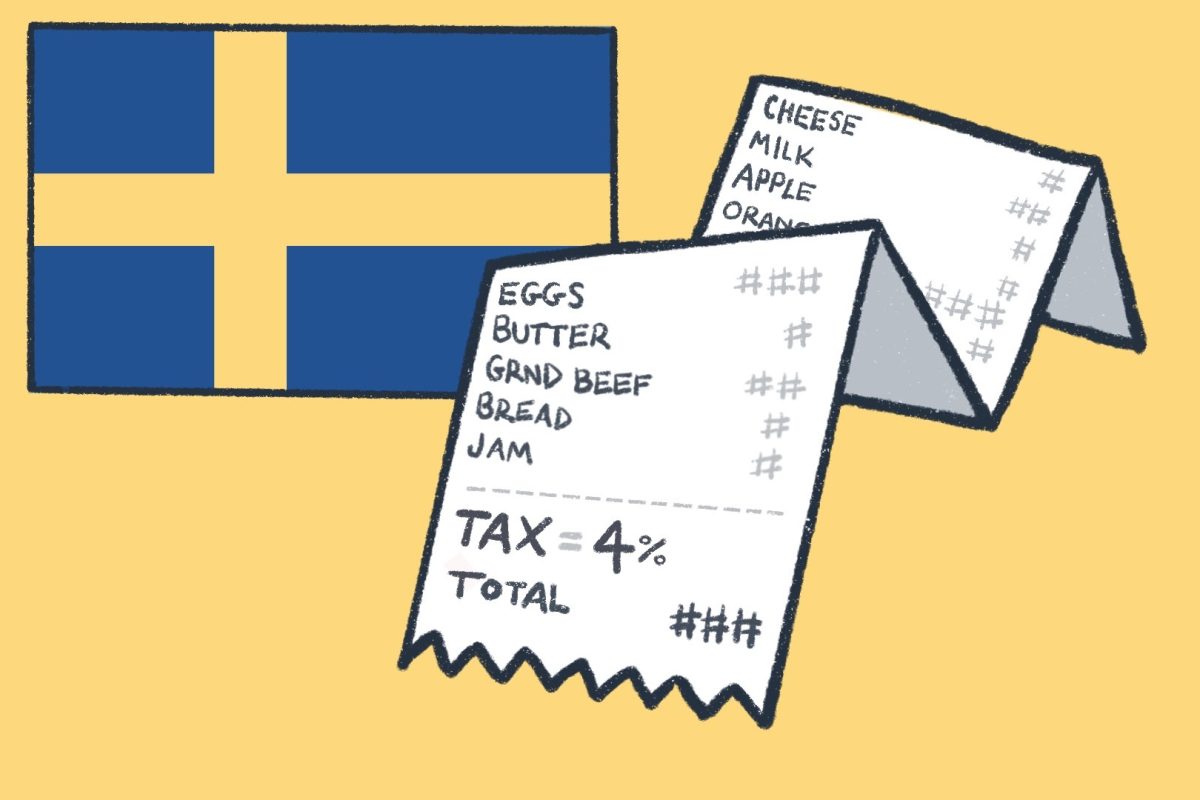
Recently, Tennessee lawmakers Charlene Oliver and Aftyn Behn spearheaded an effort to eliminate the 4% grocery tax statewide, which promises to significantly reshape the tax climate for Tennessee families. Despite their recent push, however, Gov. Bill Lee omitted the proposal from the 2025-26 budget plan, citing a number of fiscal challenges.
The bill hopes to offset lost tax revenue by closing corporate tax loopholes, but also holds the potential to inflict staggering damage on state cash reserves. The proponents of the bill argue that a reduced grocery tax must be implemented to counteract inflating food prices for Tennessee families, who spend an average of $1,200 on groceries monthly.
Though the bill has fielded support from both Republicans and Democrats in the General Assembly, they sharply disagree on the extremity of the change, with many Republicans citing the dangerous fiscal impact as grounds for reducing the tax rather than cutting it entirely.
On both a state and federal level, taxes have always been an enduring source of partisan friction, and yet, the Nords seem to have solved this divide, concertedly rallying behind their extreme tax system. The source of that unity stems from their post-War emphasis on racial and cultural commonalities, as well as transparent, trustworthy national governments. Although Nashville cannot replicate the Nords’ cultural sameness, our city should still look to the Nordic countries as living proof of the linkage between government trust and tax trust — and that is a linkage Nashville must hone for itself.