


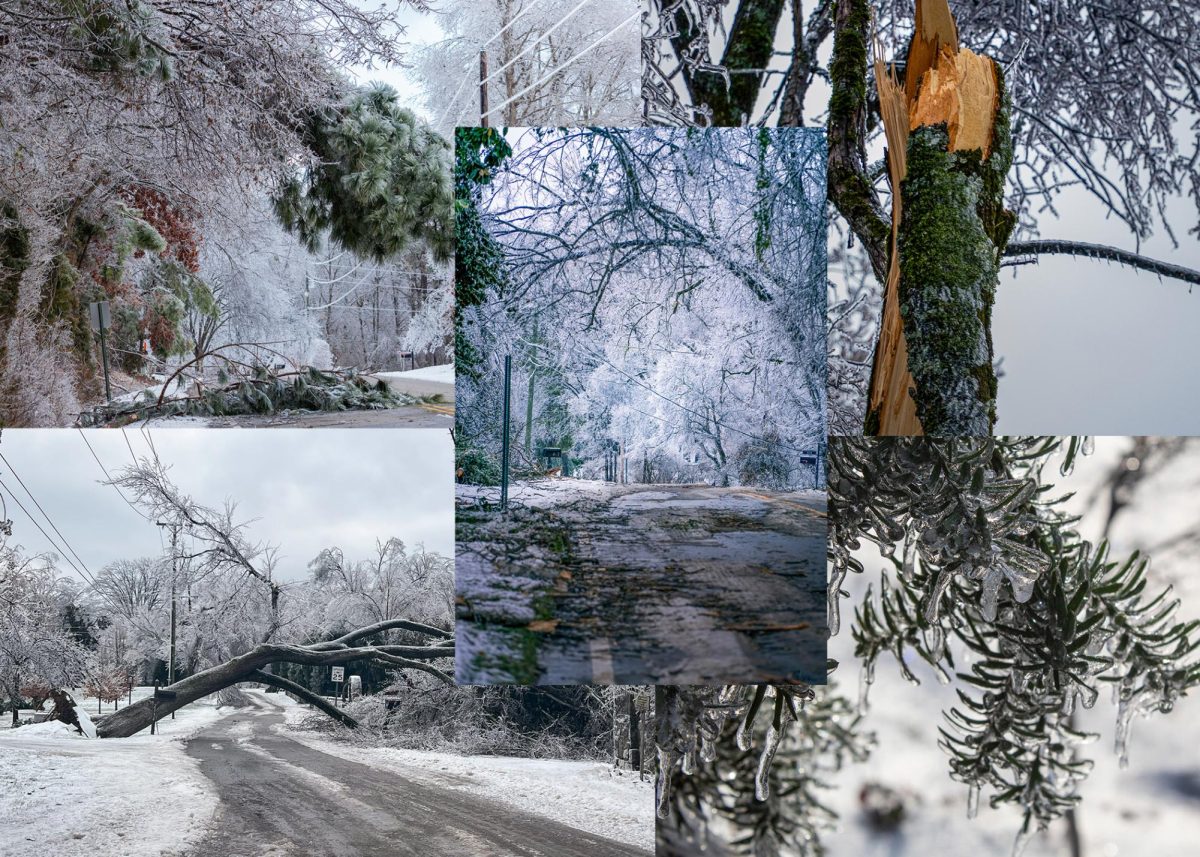














The week before Winter Storm Fern pummeled Nashville, the American Red Cross of Tennessee had begun its emergency response effort. Jerrica Williams, regional communications director, was engaging with local news partners to share preparedness information and safety tips for local residents.
When disaster struck on Jan. 24th, and Nashville’s buzzing, neon-tinted streets went silent, Jerrica alongside a team of hundreds of disaster-trained volunteers and staff shifted into triage mode. She acted as a liaison between External Relations leadership, clients and volunteers on the ground; she got fast, accurate information to the public about where to find open shelters and reach out for help.
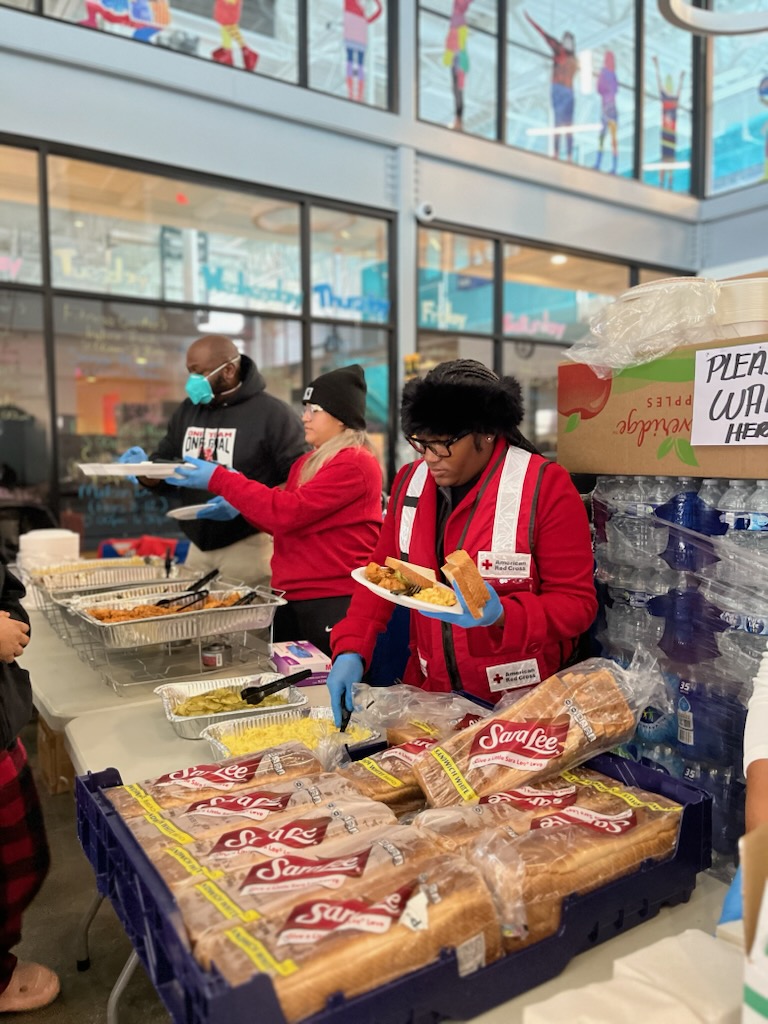
She and her team joined forces with community partners including the Office of Emergency Management, Second Harvest Food Bank, World Central Kitchen and Hands On Nashville, the American Red Cross to mount a large-scale emergency response. They provided shelter, food, hygiene resources and medical support to hundreds of residents as freezing temperatures, power outages, and storm damage persisted through early February.
The numbers tell the story: To date, they have provided over 11,000 meals and 25,000 snacks to displaced residents while coordinating a volunteer force drawn from states as far away as Alaska.
The Red Cross has had a lot of practice. Founded in 1881, it is now the world’s largest multinational humanitarian organization, with nearly 20,000 employees worldwide and more than 200,000 volunteers annually. It has played a key role in managing large natural disaster recovery efforts across the country, including the California wildfires of 2025, Hurricane Helene in 2024, and the Maui Wildfires in 2023.
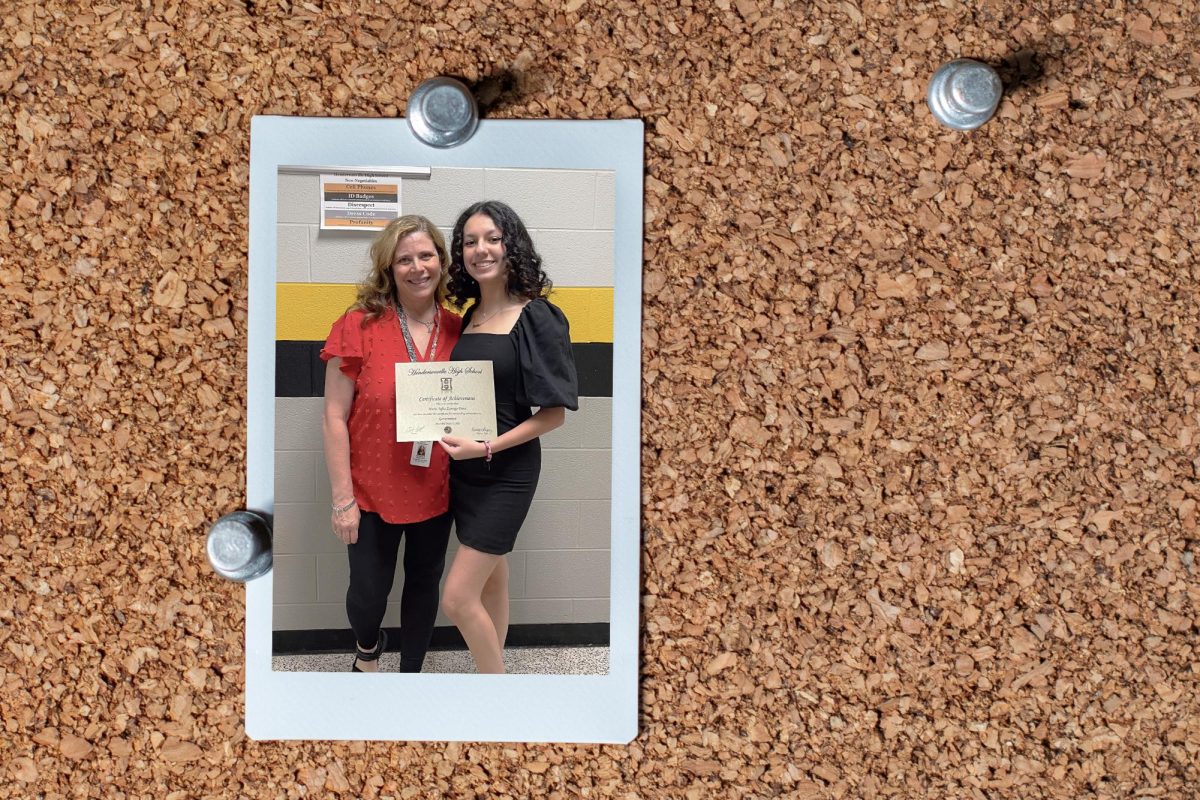
Jerrica is part of a vast network of staffers and volunteers who often work in 12-hour shifts around the clock to ensure the needs of shelter residents are met. Williams is the Regional Communications Director for the Tennessee Red Cross and served as the public affairs supervisor on this disaster relief operation as the organization maintained several shelters and helped minimize the ongoing impacts of the storm.
Even weeks after the storm moved out of Tennessee, people were experiencing storm-related damage, Williams said. Since the response began, the American Red Cross of Tennessee and its partners opened 24 shelters statewide. Two weeks after the storm struck, several remained open, some directly managed by the Red Cross while others were managed by local partners, with cots, blankets, comfort kits, and food supplied by the multinational organization.
“This is a large operation that we’re managing… and 90% of our workforce is volunteers,” Williams said. “The majority of those 290 people come from near and far and do not get paid to carry out this mission to help people affected by this storm.”
Some traveled hundreds of miles, including two Canadian musicians who were in Nashville on vacation but chose to assist at the Fairgrounds shelter in the Wedgewood-Houston neighborhood, supporting staff and other volunteers to ensure residents had food, warmth, and supplies. Hundreds more volunteers came from across Tennessee to keep shelters running.
“Prior to this winter storm, we mobilized our volunteers and had everyone in place before the storm hit so that immediately after, when conditions were safe, we could get into the communities and make sure these shelters were set up and people had a place to go,” Williams said.
Throughout the storm, Jerrica Williams herself shuttled between shelters, speaking with clients to understand their needs and gathering media to keep the public informed about shelter updates. She stepped in wherever she was needed and was continually impressed by the resilience of those affected.
“The most rewarding part is speaking with residents in our shelters and seeing their resilience. We meet them on some of the worst days of their lives, yet many maintain such a positive attitude throughout the experience,” Williams said.
Going forward, challenges remain. Numerous blood drives were canceled, a pressing concern given that the American Red Cross had declared a national blood shortage just days before the winter storm. Williams urges anyone in unaffected areas, or where it is safe, to donate blood and help rebuild the supply. As Tennessee communities recover, restoring the blood supply will be a vital way for residents to support one another and help the state build back stronger.