


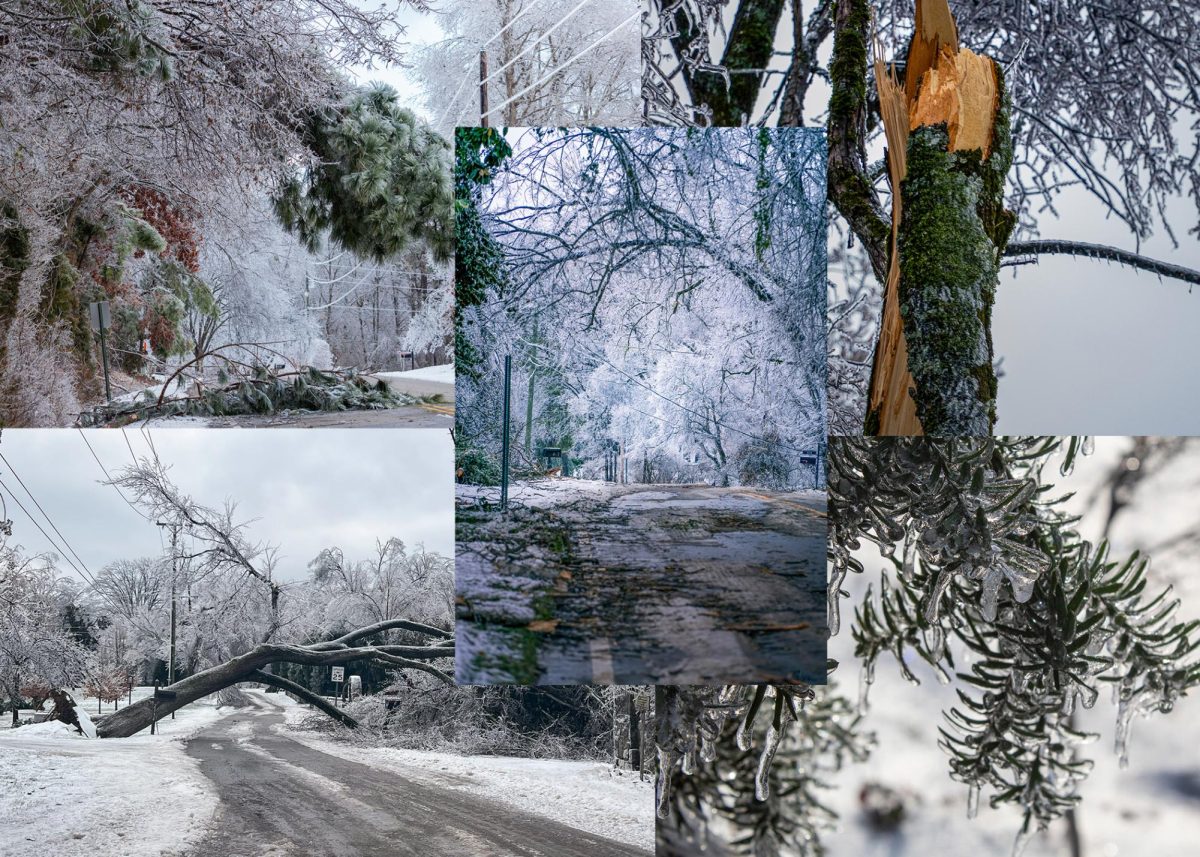







The roads are unrecognizable, empty of cars and pedestrians. Ice glazes over the city like a glass blanket. Trees bow under the weight of icicles until they snap, branches scattered across silent streets.
In late January of 2026, Nashville experienced one of its most severe winter storms in decades. The originally innocent promise of snow shifted into something different, as school closures and road conditions continued to worsen, and widespread power outages began to affect thousands of residents across the city.
For students, the experience varied widely depending on their specific situations.
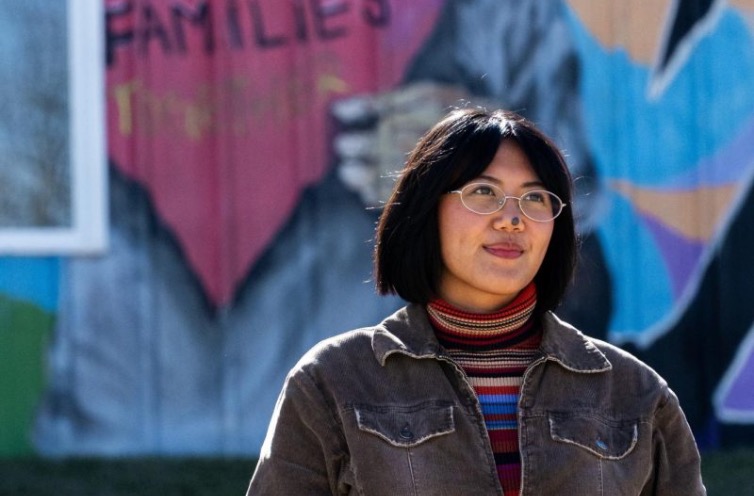
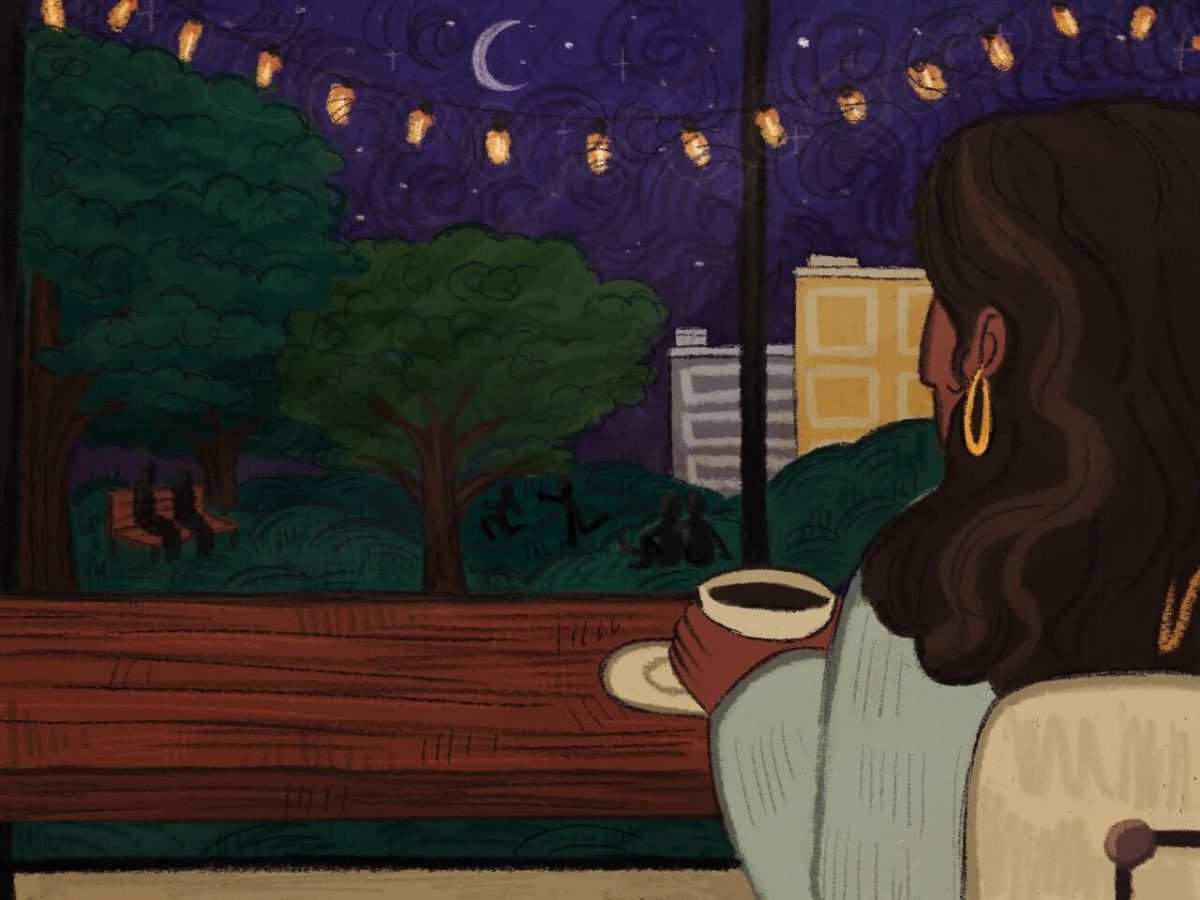
Many students and their families hunkered down at home to brave the power outage, such as Hume-Fogg senior, An Do. “I felt isolated,” he admitted, when prompted to comment on his experience living without power for days on end, “I started missing people from school. Usually I would celebrate having so many days off, but it was kind of lonely.” Without heat, internet or access to social interaction, thousands of people’s daily routines were significantly disrupted. At its peak, the storm left up to 230,000 Nashville residents without power, with tens of thousands still waiting for electricity to be restored more than a week later.
Oliver Pursley, a sophomore from Martin Luther King Jr. Magnet High School in the same situation as Do, said, “I never appreciated the heater in our house before the power outage. I was so cold, every day it was getting colder and colder. I was losing hope, to be honest,” he said with a laugh. Meanwhile, students in other parts of town were largely unaffected by the storm. “I mean, the roads were bad. But for me, it was just a break from school,” said Joseph Mammo, a Hume-Fogg senior whose home retained power throughout the week.
Teachers had unique struggles, having to juggle their families, work and the students that they care for. “It was honestly stressful not knowing what my students were dealing with at home,” said one teacher.
Katharine Reynolds, an English teacher, added, “some of them were completely fine, and others didn’t have heat or power for days. It just didn’t feel like school could go back to normal right away.” Many teachers had to adapt quickly, postponing lessons and adjusting schedules as the city worked to recover.
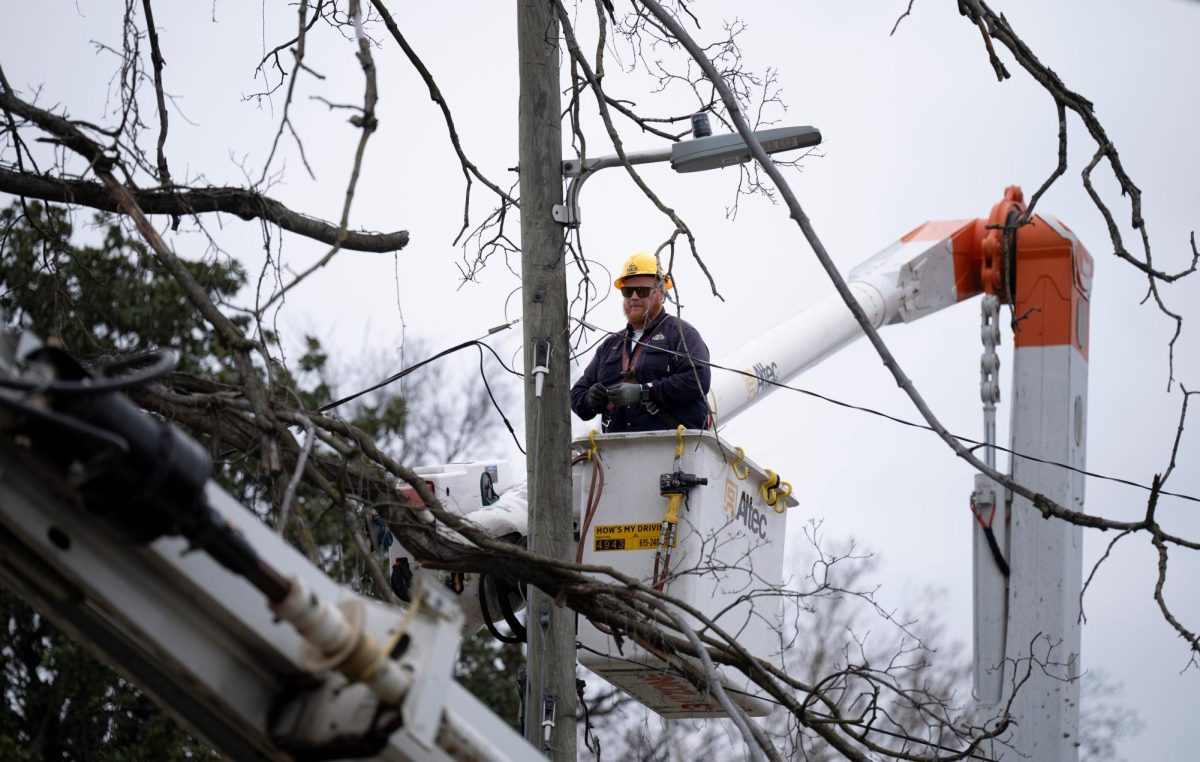
The storm’s impact extended beyond individual experiences. Across Nashville, fallen trees and downed power lines made roads unsafe, delaying restoration efforts and prolonging outages. Nashville Electric Service reported that crews had to repair hundreds of downed power lines and poles, while city officials responded to thousands of reports of fallen trees and large limbs blocking roads and damaging infrastructure.
Despite the many challenges, the storm also showcased a sense of resilience within the Nashville community. Neighbors checked on one another, shared resources and offered support wherever possible. Local food pantries and community centers stepped in to provide meals and supplies to families affected by the outages, while warming shelters opened across the city for those without heat. Some residents offered their homes as places to charge phones, take hot showers or simply escape the cold.
As Nashville continues to recover, students and teachers alike are left reflecting on a week that disrupted routines and tested the city’s infrastructure. While some experienced only minor inconveniences, others faced significant hardship, illustrating how uneven the effects of a natural disaster can be.
Ultimately, Winter Storm Fern will be remembered not just for its severity, but for the way it reshaped daily life across Nashville, and exposed how differently people can experience the same disaster. For some, it was an inconvenience, a pause in routine. For others, it meant days without heat, isolation and uncertainty. The storm did more than cover the city in ice. It revealed the fragile systems people rely on and the quiet ways communities come together when those systems fail.