




















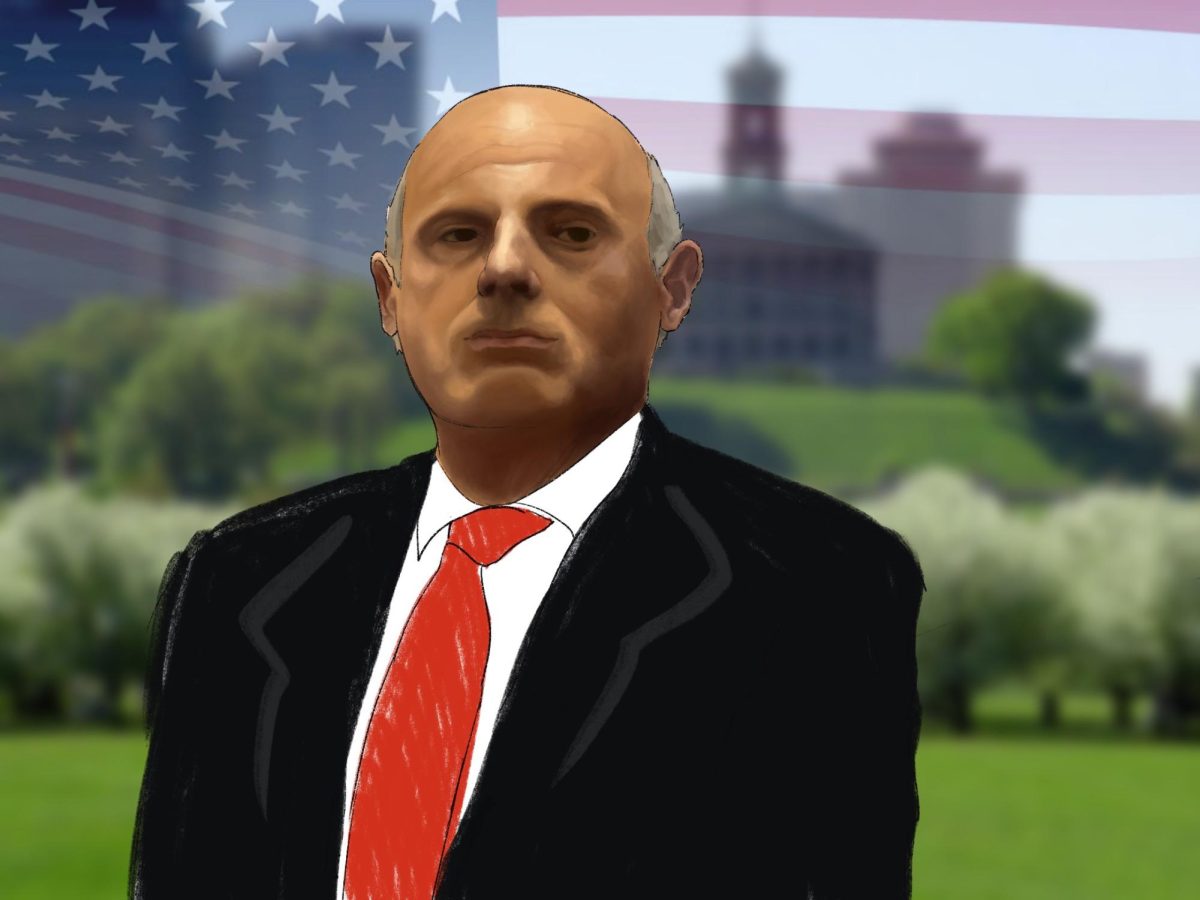
“I will carry Tennessee’s voice to Washington with conviction rooted in principle, not politics. That means securing our borders, preserving liberty, and protecting the rights of parents to raise their children free from radical ideology.”
— Gino Bulso, when asked how he plans to advocate for the state on a national level
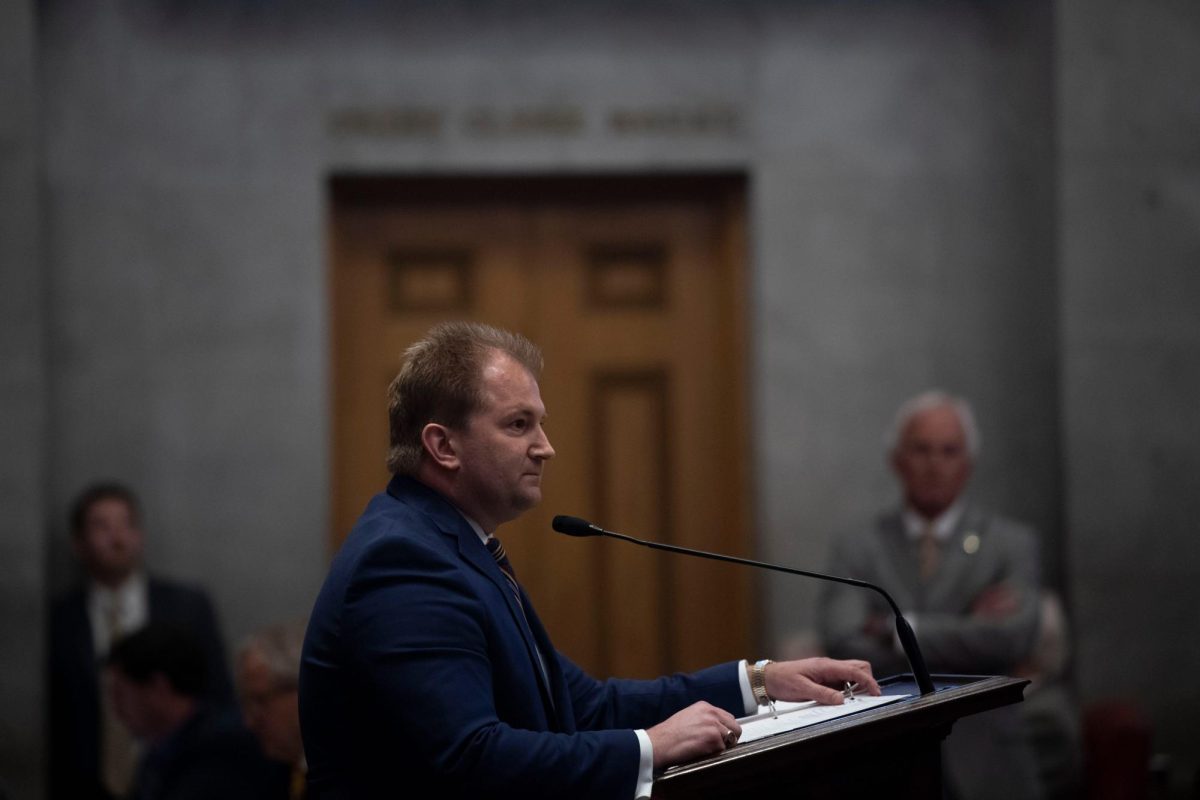
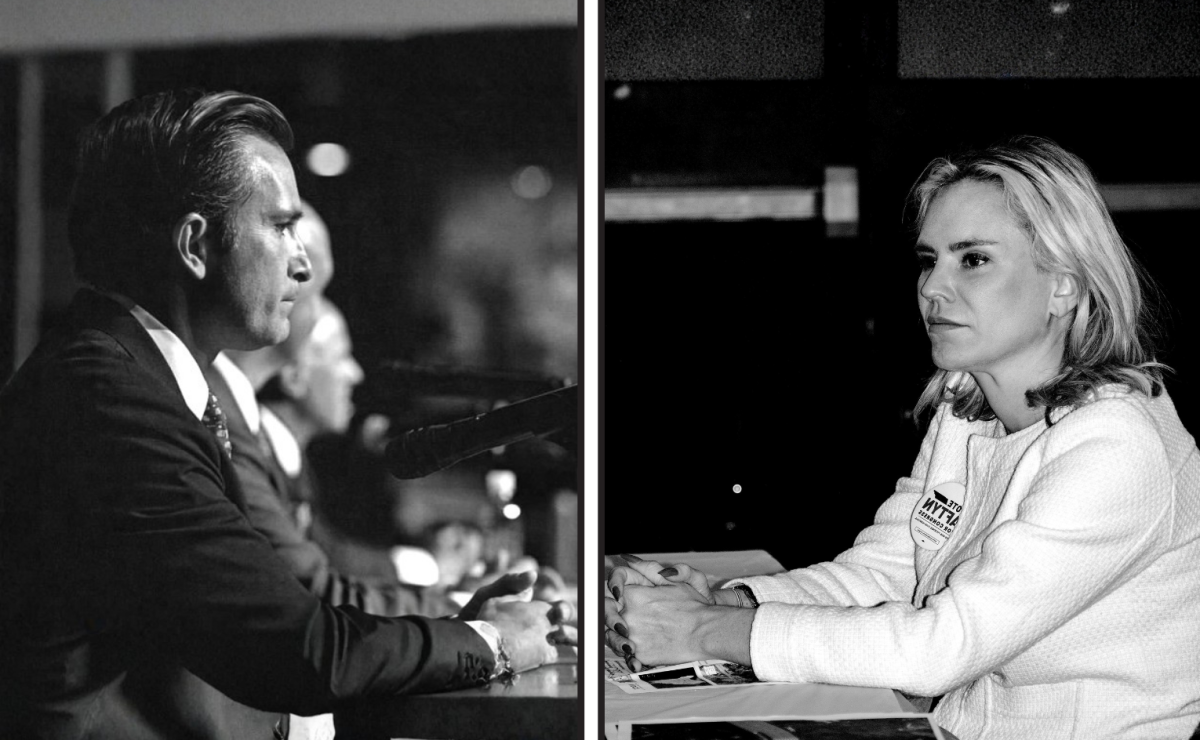
The now 64-year old Bulso is one of 19 candidates in the special congressional election that was triggered by the withdrawal of Republican Mark Green from the United States House of Representatives. As a lifelong Christian conservative, Bulso’s platform is steeped in his faith and his support for president Donald Trump. That aspect of his campaign is no different than his rival Republican candidates; so, how does Bulso plan to differentiate himself and secure the coveted House seat?
Background and Education
Bulso, a Florida native, attended Cornell University for his undergraduate degree and received his law degree from Emory University. Over the course of his almost 40-year law career, Bulso became one of the nation’s preeminent commercial trial lawyers. He’s often cited his legal experiences as complementary to his political career. After his legal stint, Bulso entered the realm of politics. In 2022, he was elected to a seat in the Tennessee House of Representatives for District 61. Bulso now wants to make waves on a national level.
Platform
The headline of Bulso’s official campaign website reads, “I support President Trump’s America First policies and will fight to protect our constitutional freedoms.” The America First initiative prioritizes border security, climate deregulation, economic independence, and funding cuts. Let’s dive into each of these categories.
In terms of immigration, Bulso will support the reconstruction of the border wall, as well as the reintegration of the “remain in Mexico” policy, which forces select non-Mexican asylum seekers to await their trial proceedings in Mexican holding stations. This addition would naturally bring an end to previous “catch and release” policies, whereby immigrants do not remain in custody of the Dpt. of Homeland Security. Buslo also promises to sponsor bans on sanctuary cities by preparing to file what he calls the 2025 Trump Act in Tennessee, as he believes an influx of “unchecked illegal immigration erodes sovereignty and endangers families.” In alignment with President Trump, Bulso also is hoping to designate drug cartels as foreign terrorists.
Broadly speaking, climate deregulation encompasses Trump’s withdrawal from the Paris Climate Accords and the continuation of fossil fuel use and intensive mineral mining. In regards to economics, Bulso supports Chinese import tariffs as a means to promote domestic industry, and he also supports Trump’s funding cuts and crackdown on Diversity, Equity, and Inclusion, known as DEI.
Bulso promises to strengthen Tennessee election security. “I fully support President Trump’s Executive Order to limit mail-in ballots and expand the use of paper ballots. Elections are the lifeblood of a Republic, but today many Americans no longer trust them,” Bulso stated in an interview with the Tennessee Conservative.
The cornerstone of Bulso’s politics is his Christian faith. “Faith teaches that freedom comes not from government but from God, and that without virtue, liberty collapses,” Bulso told Tennessee Conservative reporters. He also promises to fight the pervasive secular relativism he claims is present in today’s political climate. “In Congress, I will continue to defend [life, religious liberty, and family values] so our children and grandchildren may inherit a country anchored in faith, not swallowed by secular relativism,” Bulso said. Secular relativism is the belief that truth and meaning are subjective and can be fluid, as relativists believe there are no eternal, universal truths which govern the world. Bulso believes this moral ambiguity leaves room for and even justifies corruption and dubious behavior.
Above all else, Bulso promises to fight for the interests of the state of Tennessee on a national stage. His emphasis on state sovereignty and consent of the governed is a departure from a political climate dominated by federal government interests.